
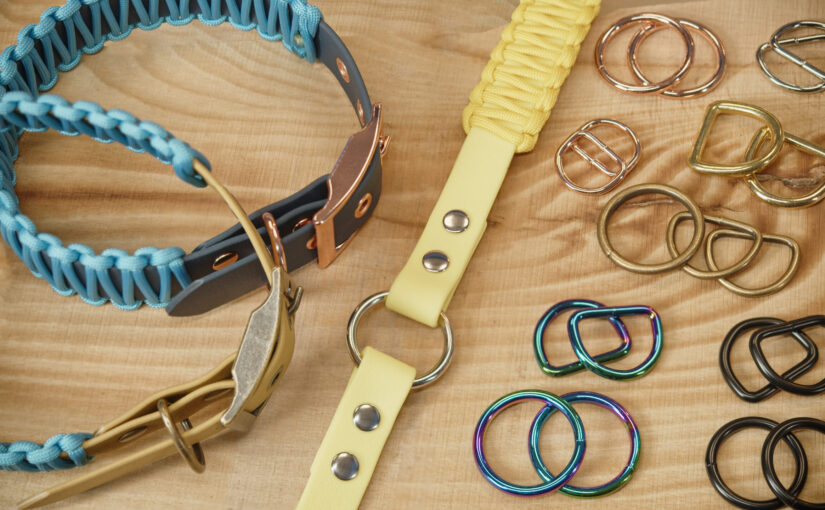
Metal O-rings and D-rings are among the most frequently used components in webbing, leather and saddlery work. The right hardware affects not only how your product looks, but above all its safety, service life and overall quality. This article walks you through the key differences between the individual types and helps you pick the right material for your project.
1. O-ring vs. D-ring: how the shape changes the job
Although both are made from the same materials, their shape largely determines how they work and where they are used most often:
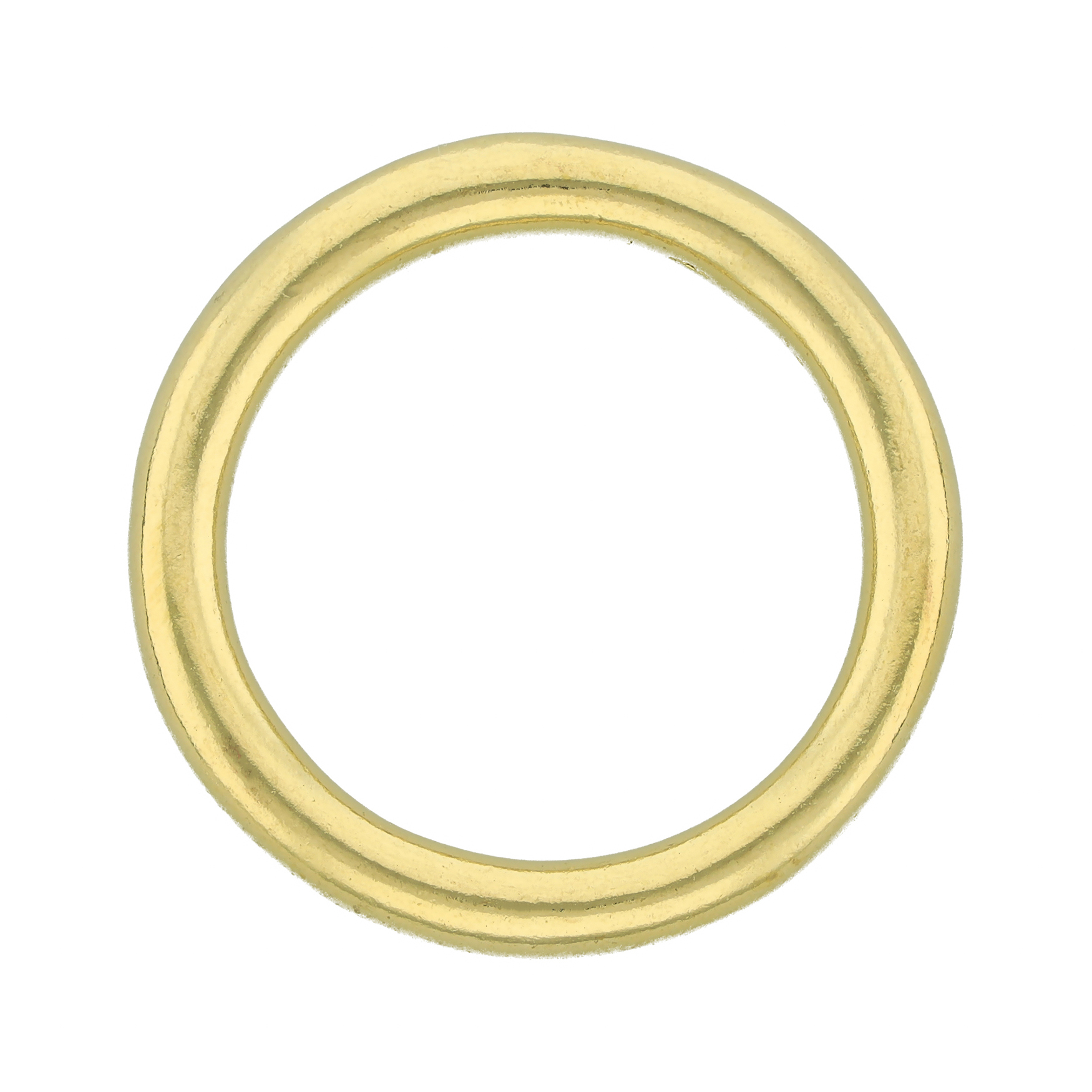
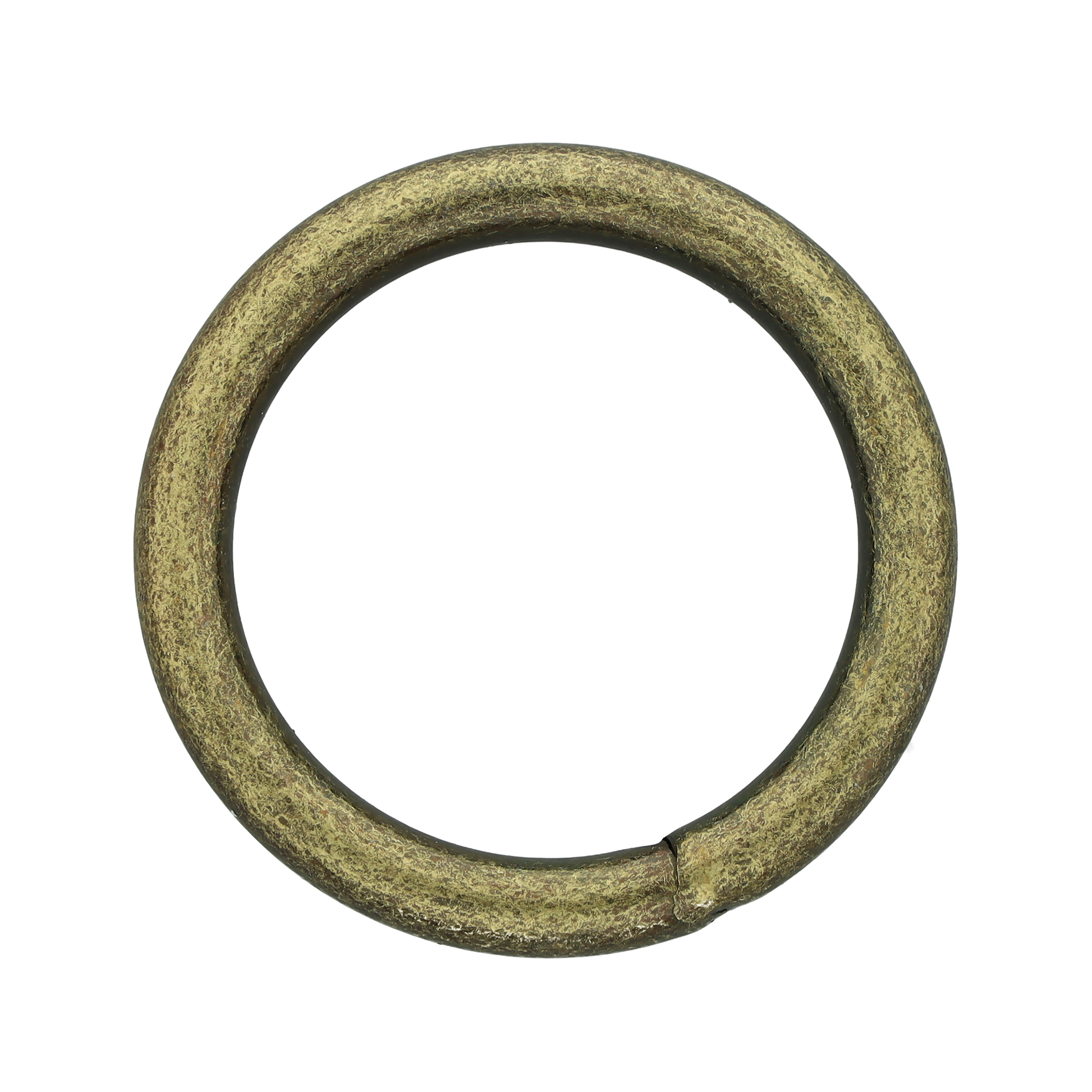
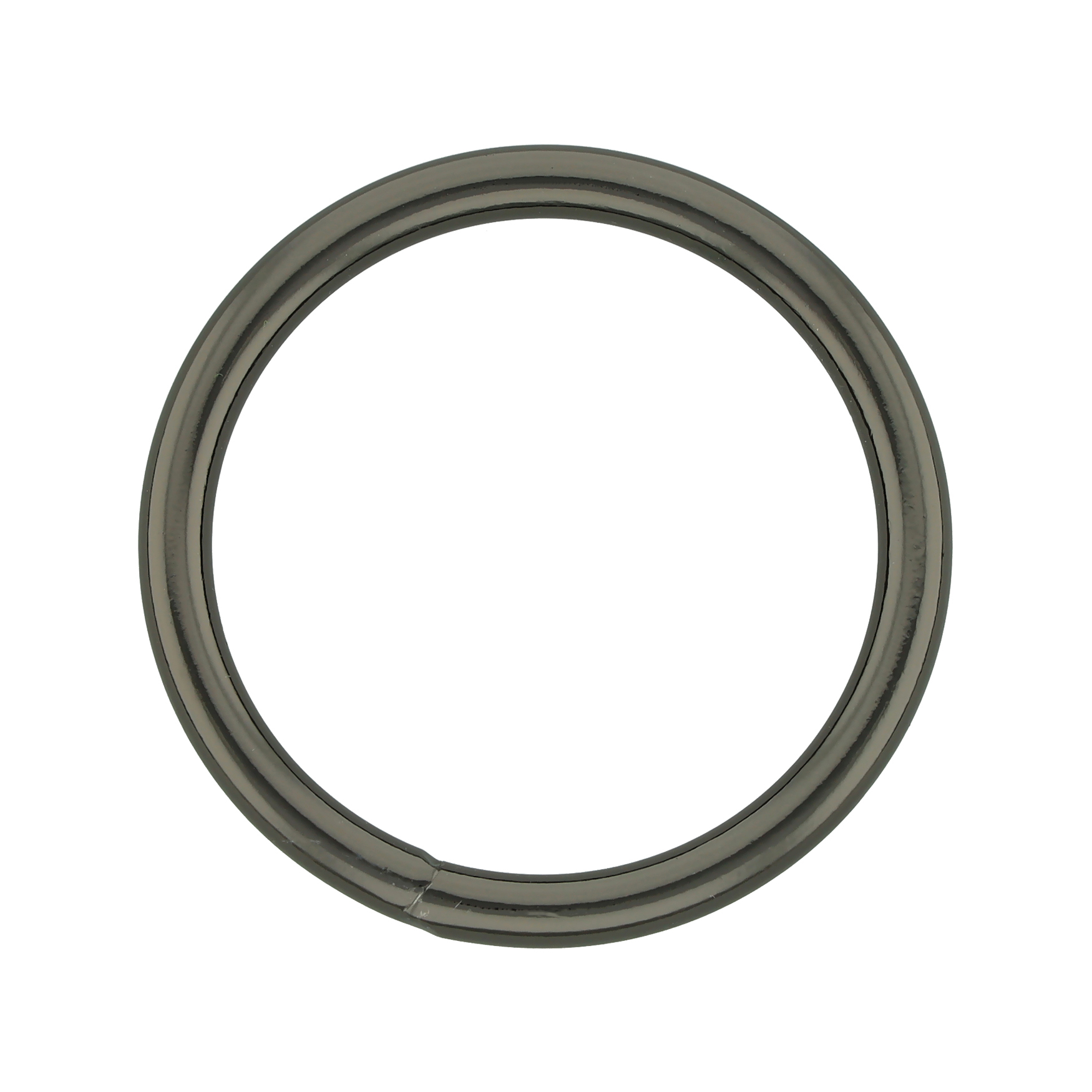
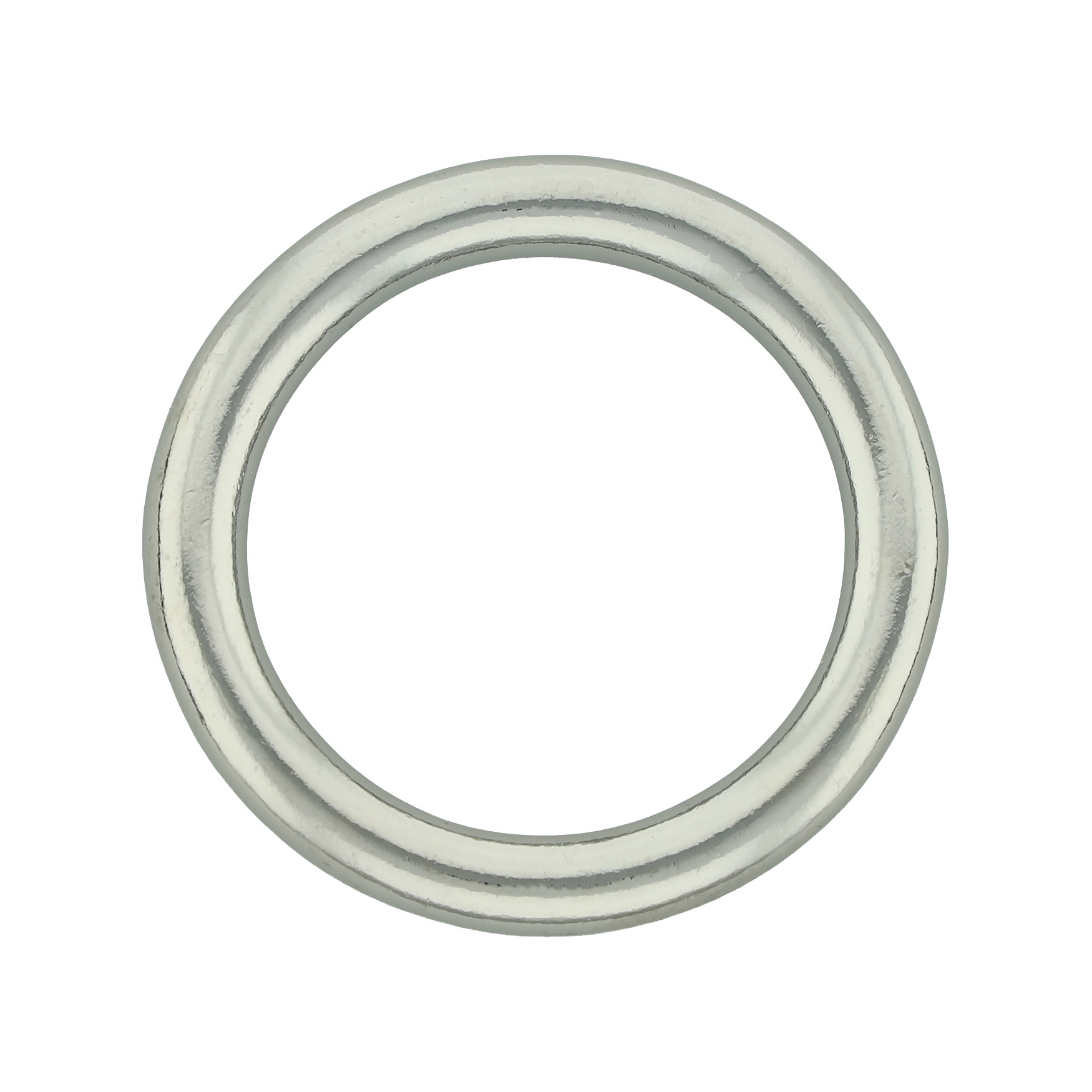
O-rings (round rings)
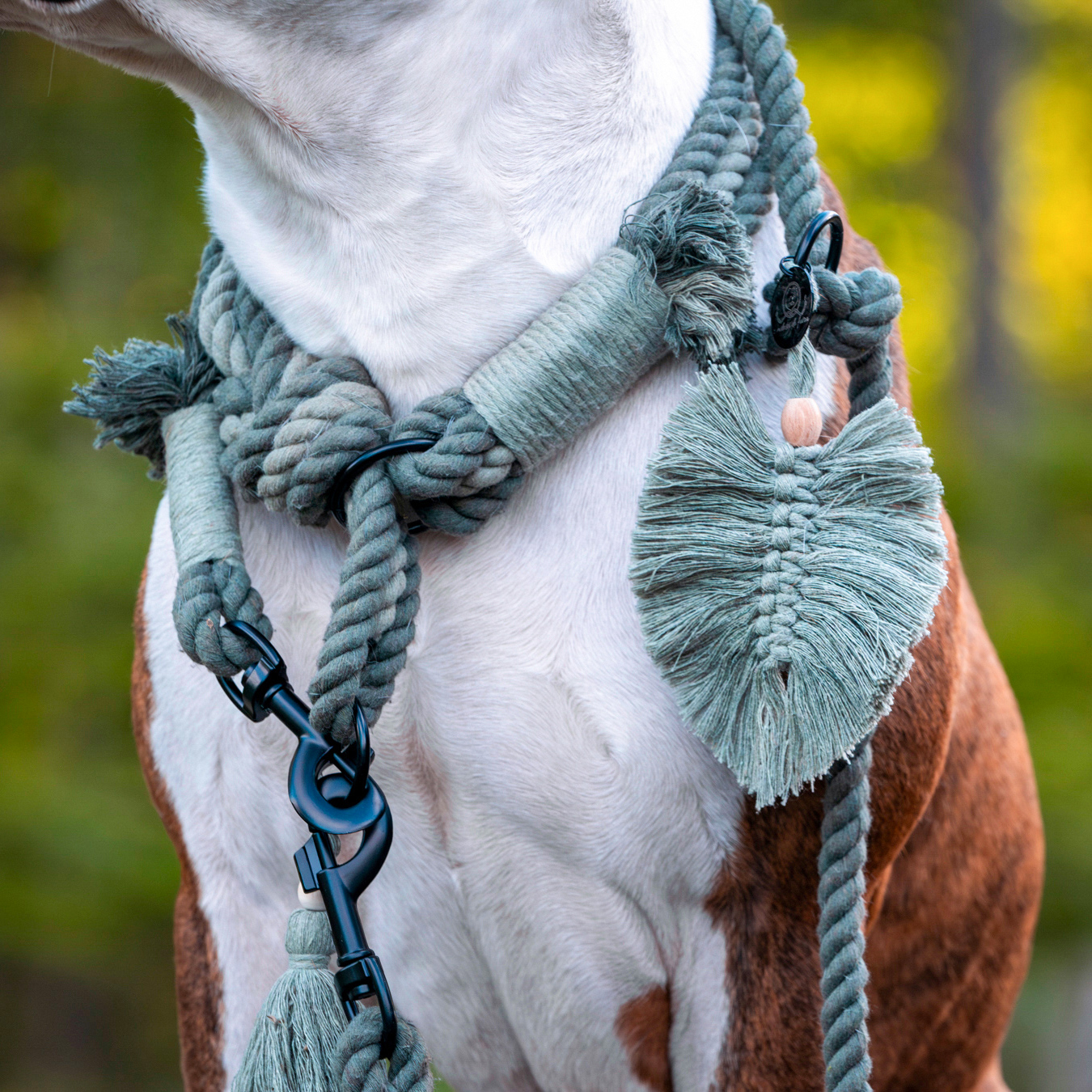
Thanks to their symmetrical round shape, they let whatever is attached to them (a snap hook, webbing, rope) move freely in all directions (360°). When pulled, the force spreads evenly around the whole circumference.
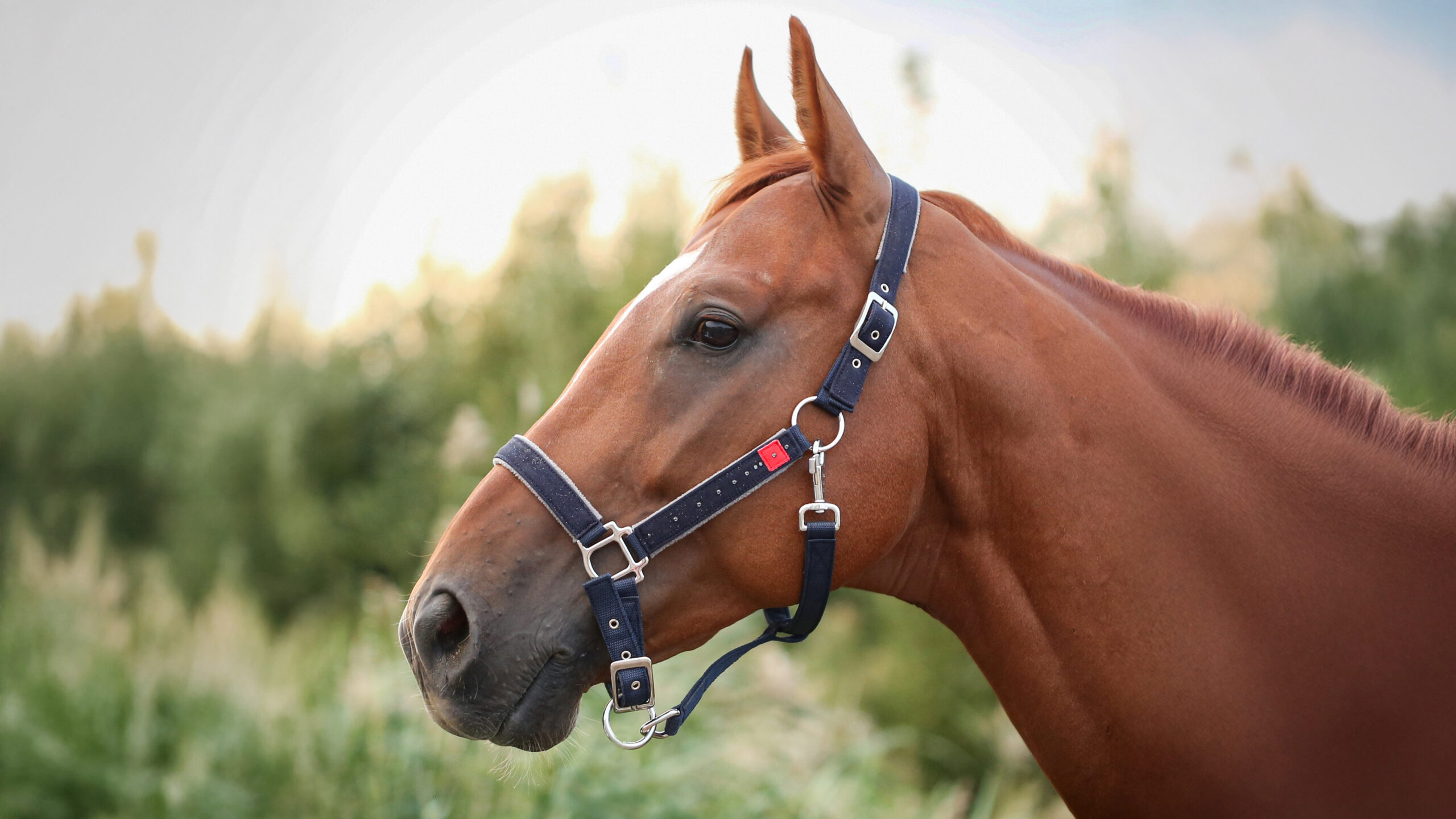
Common uses: dog leashes (adjustable multi-position leashes), connection points and junctions on dog harnesses, horse halters, lunge lines and nosebands, saddlery and pet supplies, movable rope attachments, decorative details on handbags, and rope systems.
D-rings
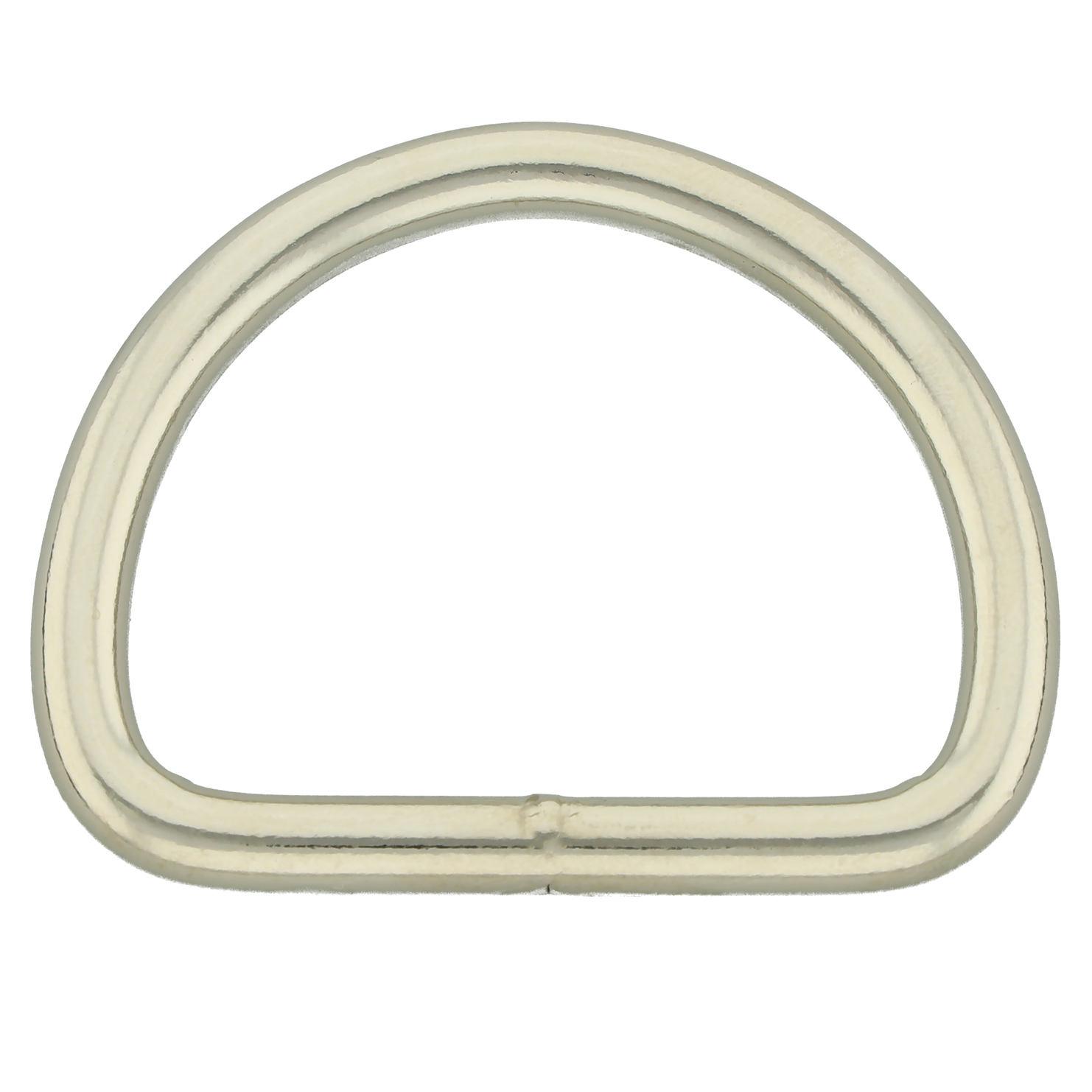
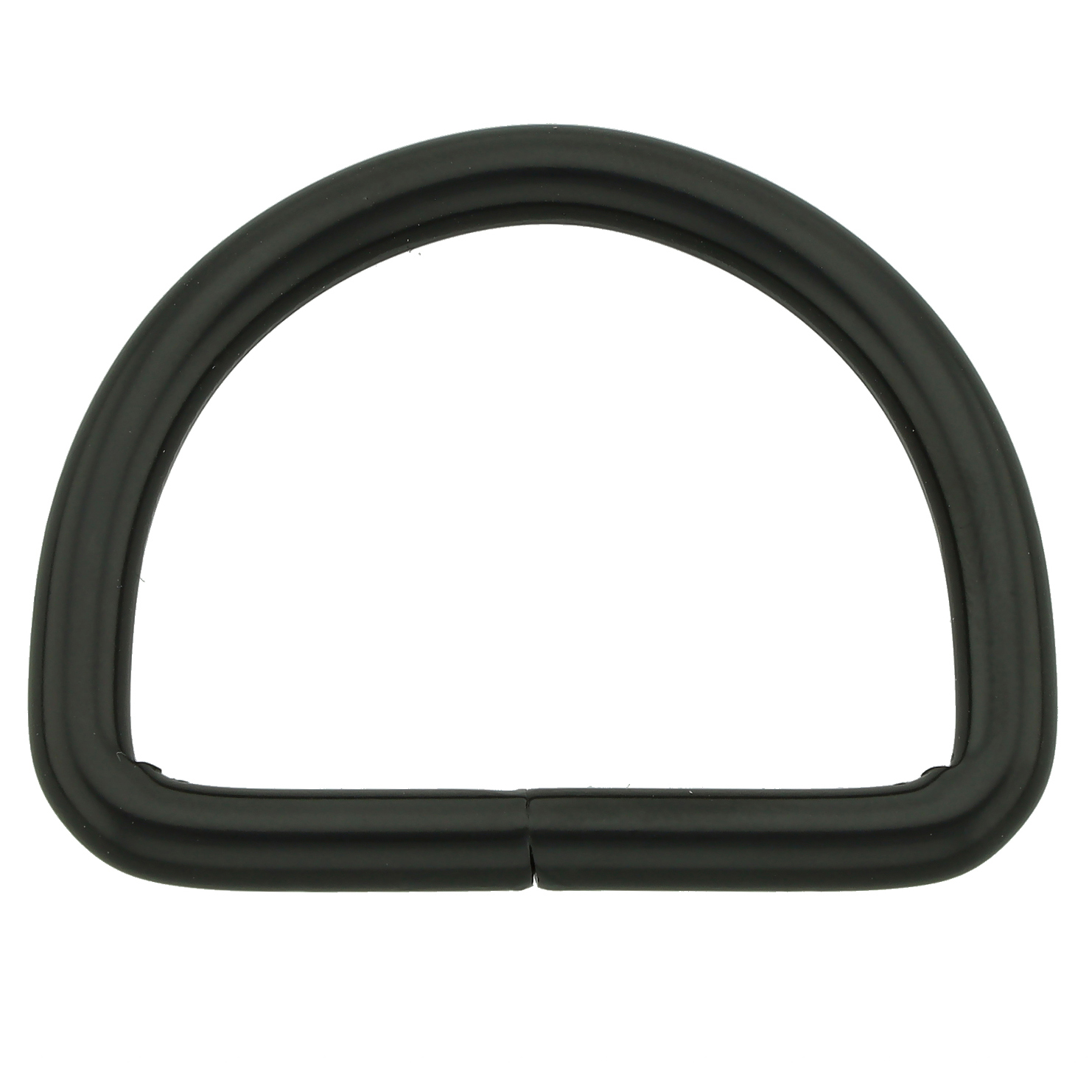
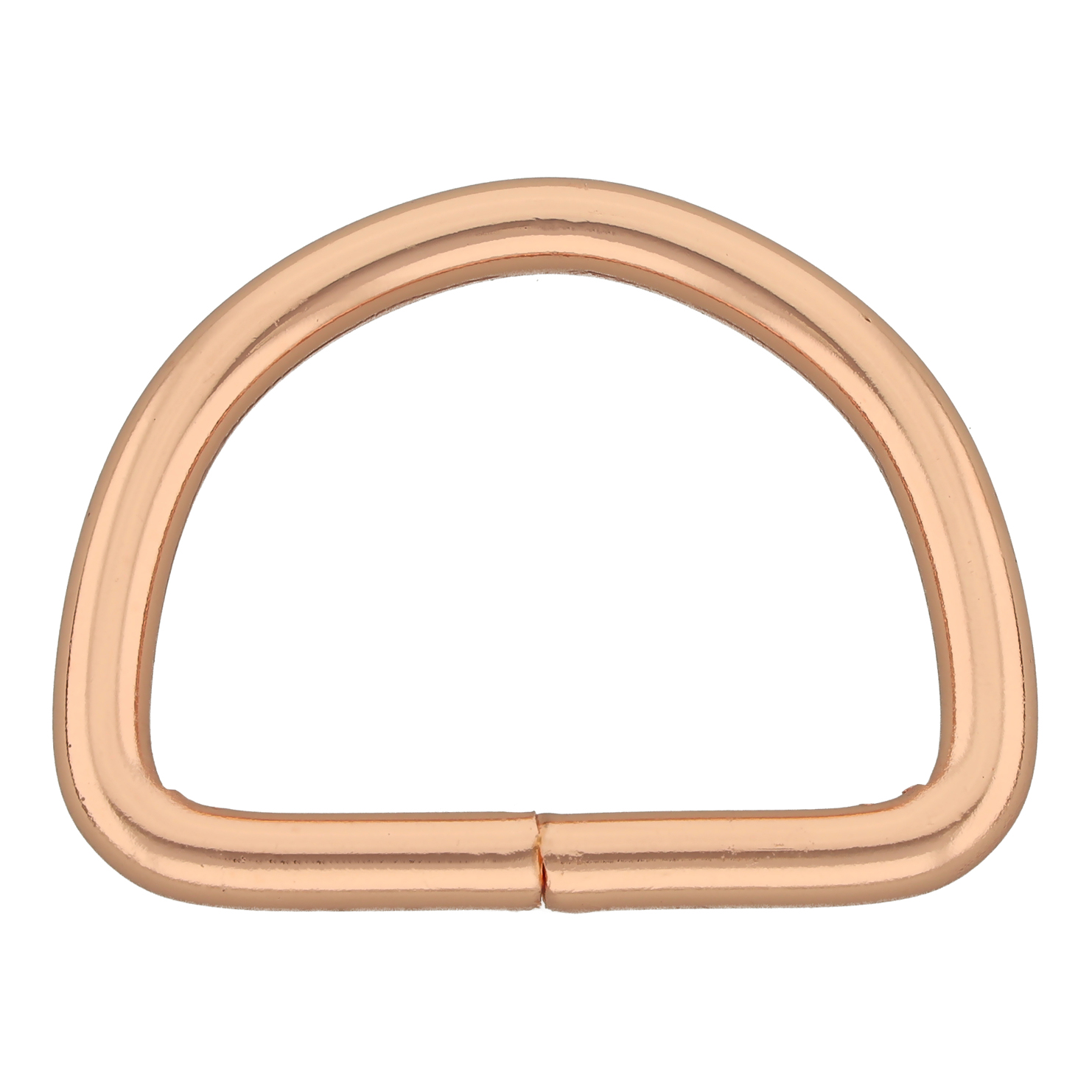
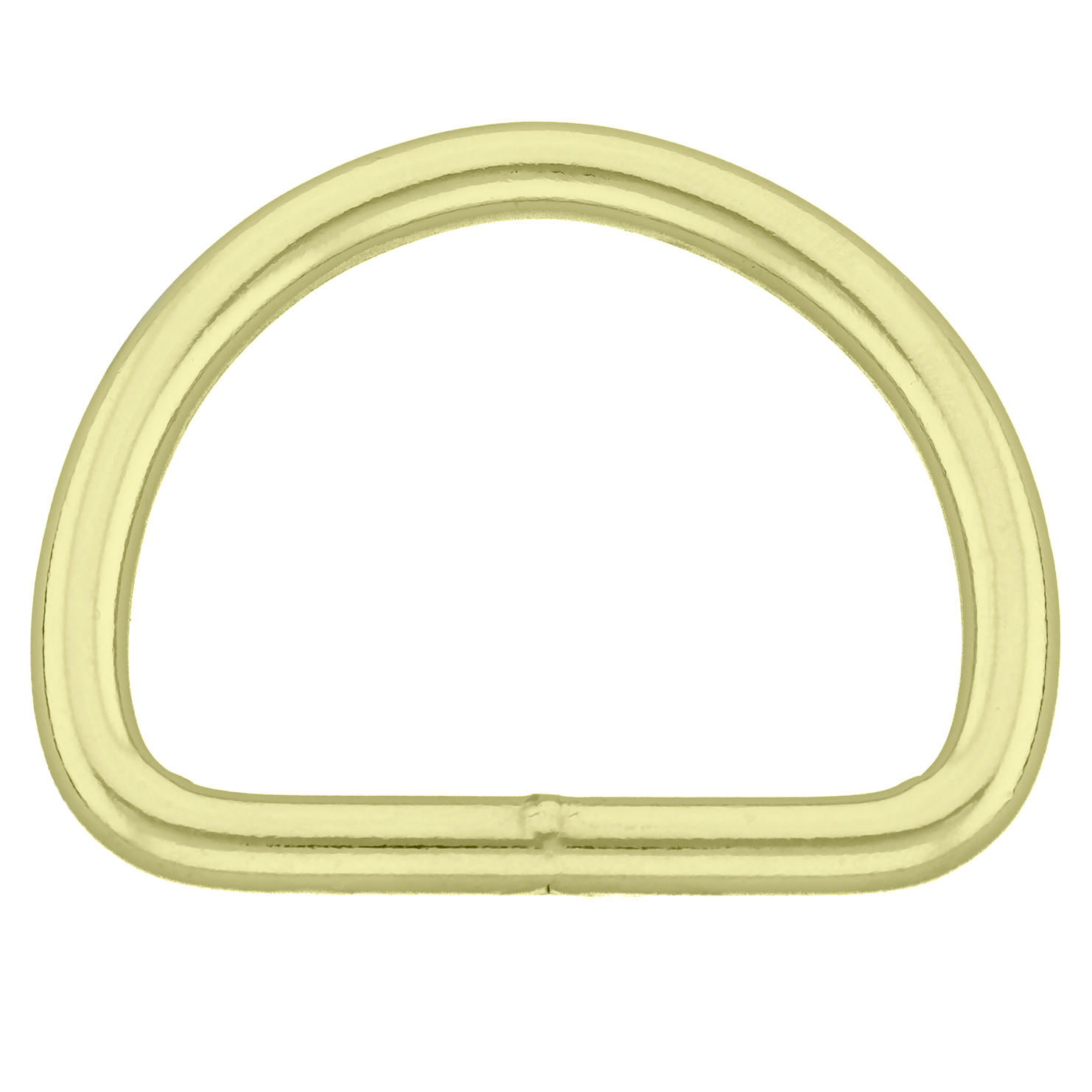
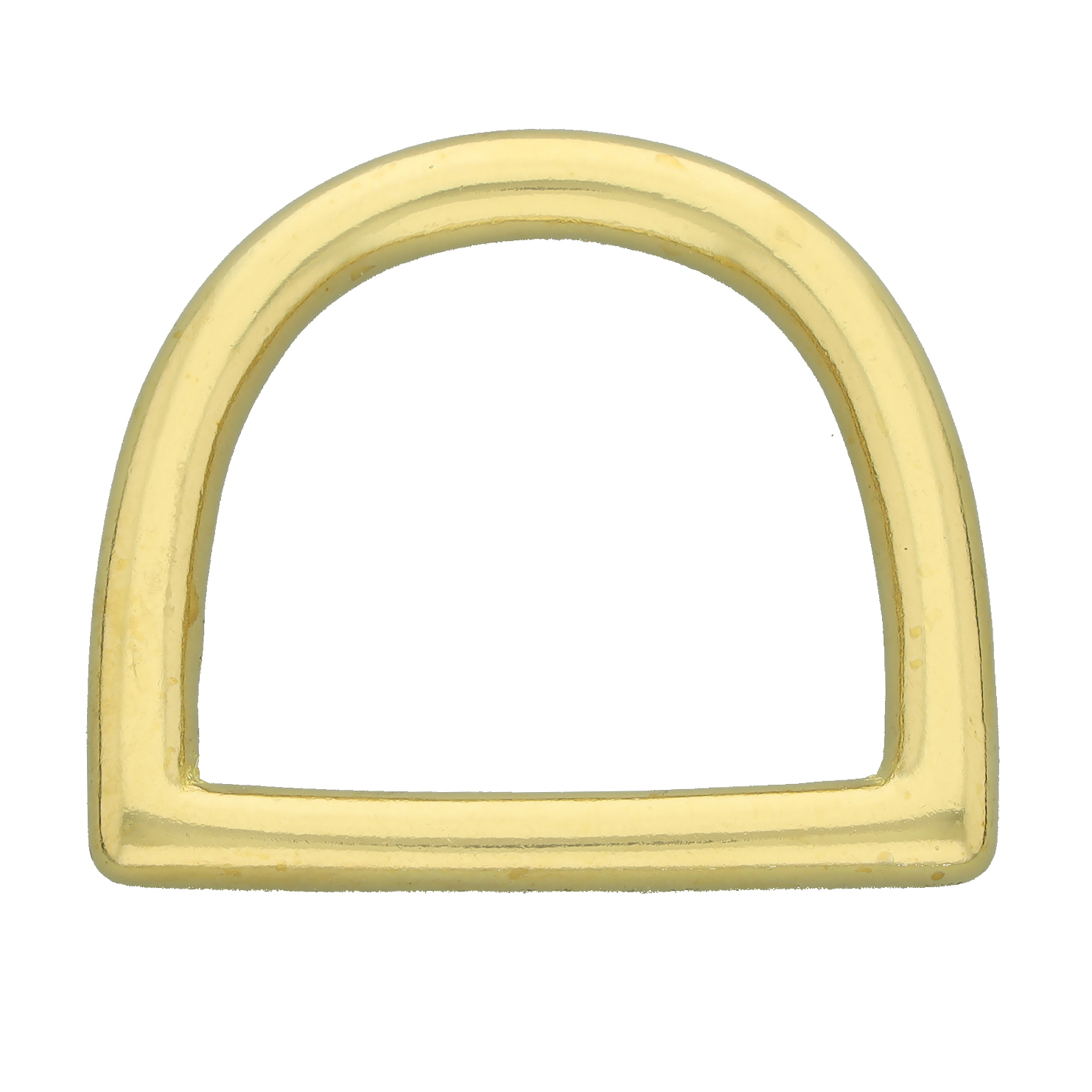
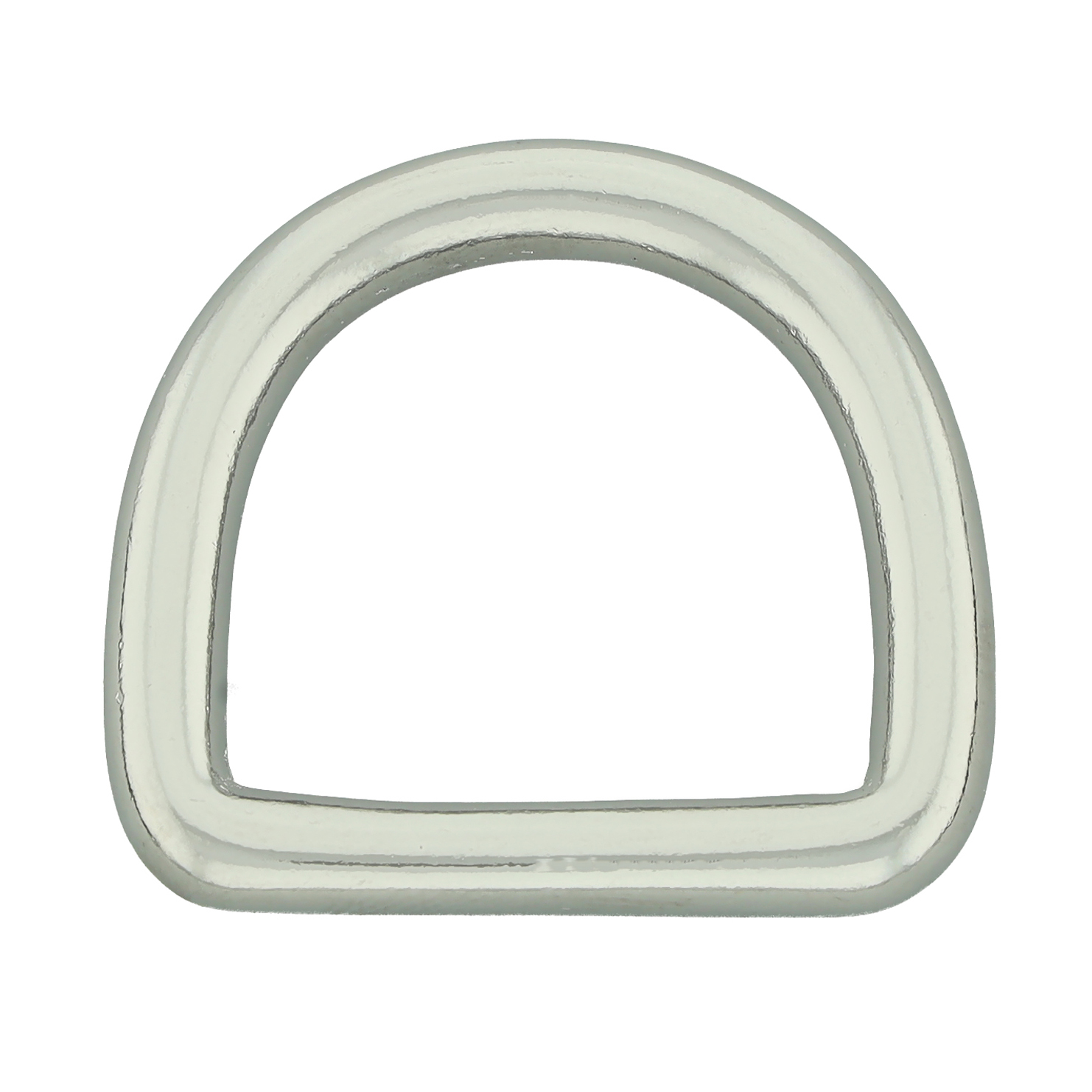
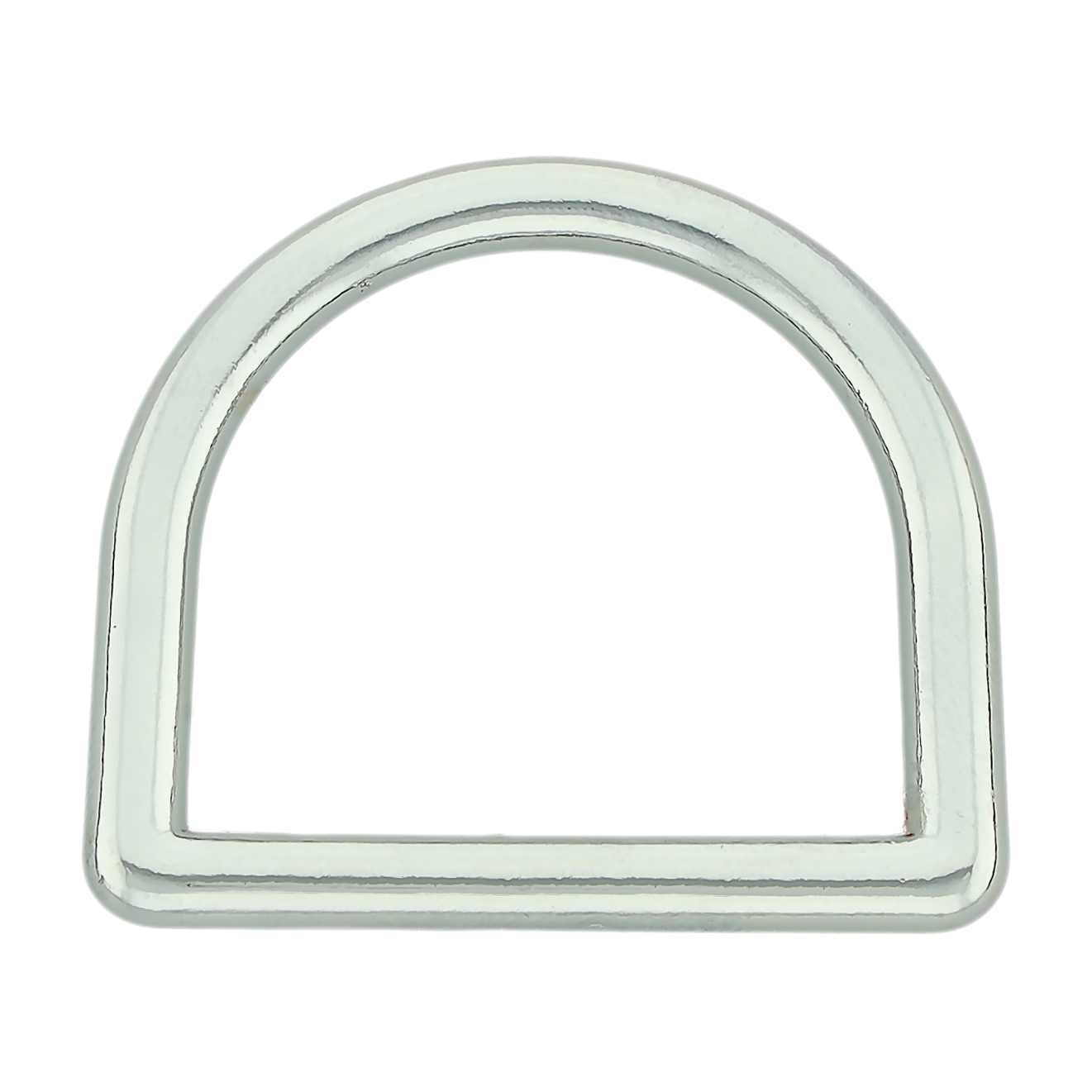
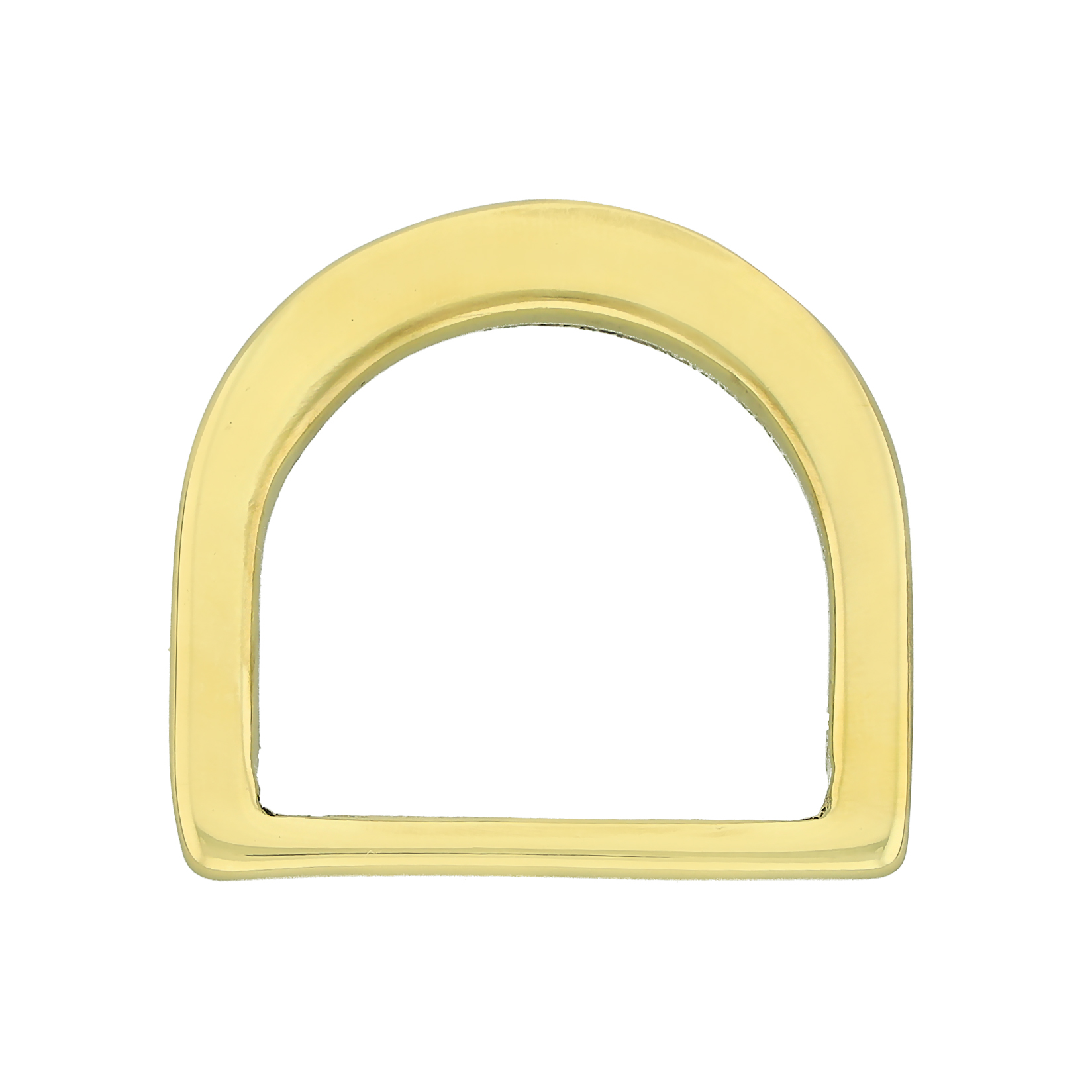
The D shape has one straight side that holds the webbing or leather firmly in place and keeps it from bunching up or twisting. The pull is directed to one specific point (the middle of the curve).
Common uses: attachment points on collars, leashes and harnesses, strap ends on backpacks, and side attachments for shoulder straps on bags and handbags. Where to place the D-ring on a collar is covered in the article on common collar-making mistakes.
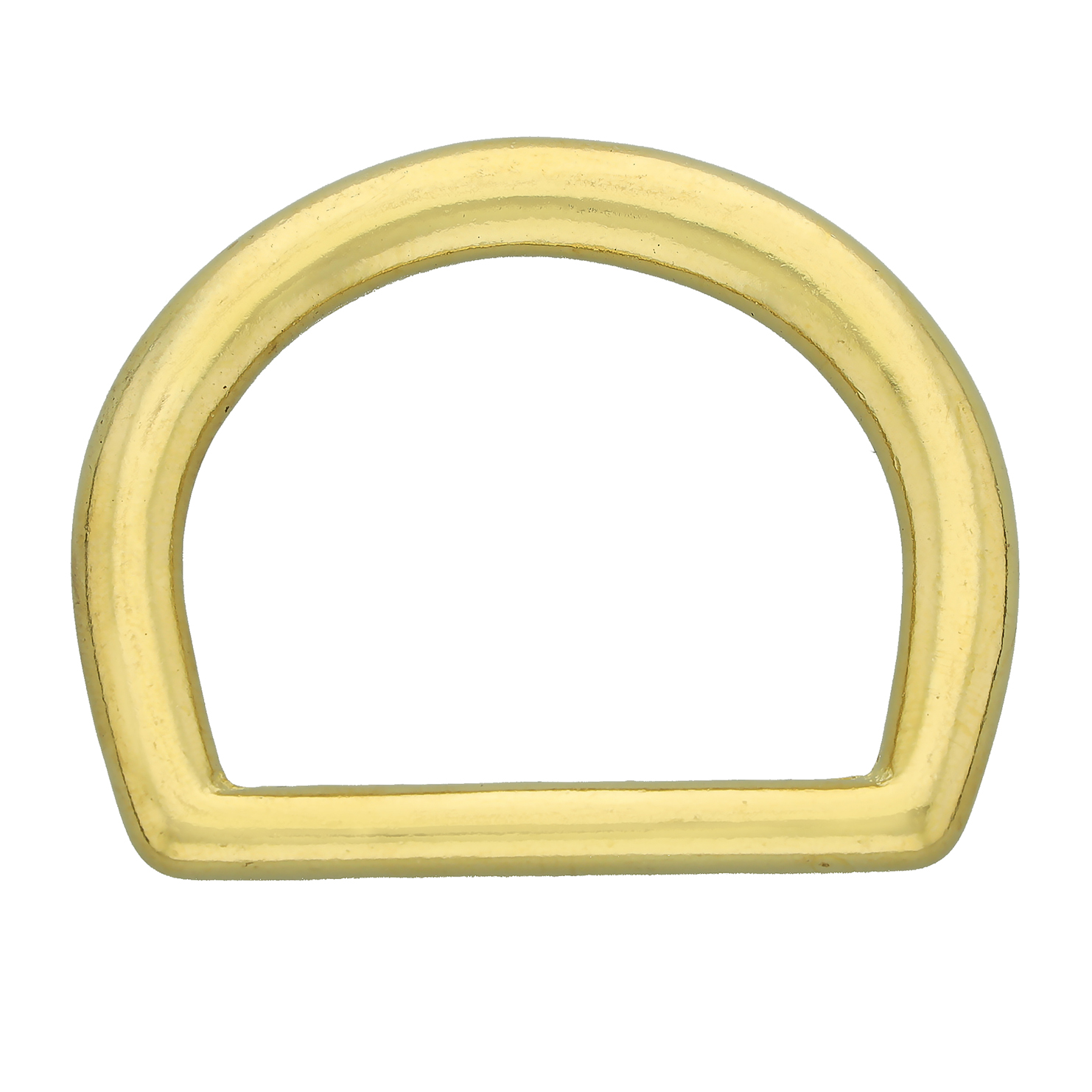
2. Comparing the materials at a glance
The table below gives you a quick overview of mechanical strength and typical use for each type of hardware:
| Material and construction | Strength (breaking load) | Corrosion resistance | How it is made | Main recommendation |
|---|---|---|---|---|
| Unwelded steel | Very low | Low | Bent wire (open ends) | Light decorative use only |
| Welded steel | Depends on size, 100–500 kg | Standard | Bent wire + welding + plating | General bags and accessories, backpacks, dog collars and leashes according to size |
| Cast zinc | Low to medium | Good | Die casting + nickel plating | Fine designer accessories |
| Brass | Depends on size, 100–500 kg | Excellent (including salt water) | Cast from a copper-zinc alloy | Saddlery and leather goods, dog gear, sailing |
| Stainless steel | Depends on size, 150–410 kg | Highest | High-alloy steel | Water, outdoors, corrosive environments |

3. The materials in detail and where to use them
Unwelded steel hardware
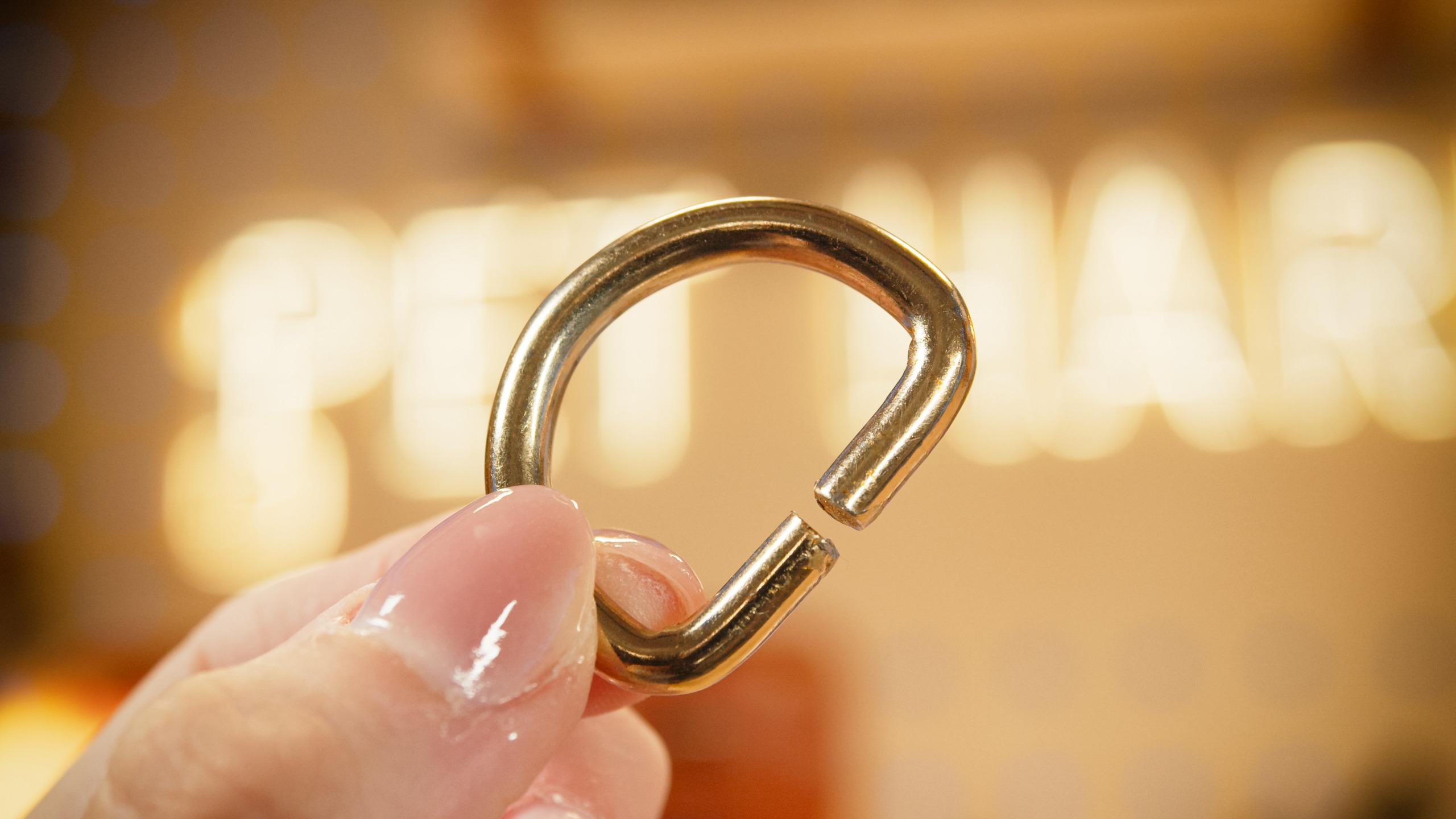
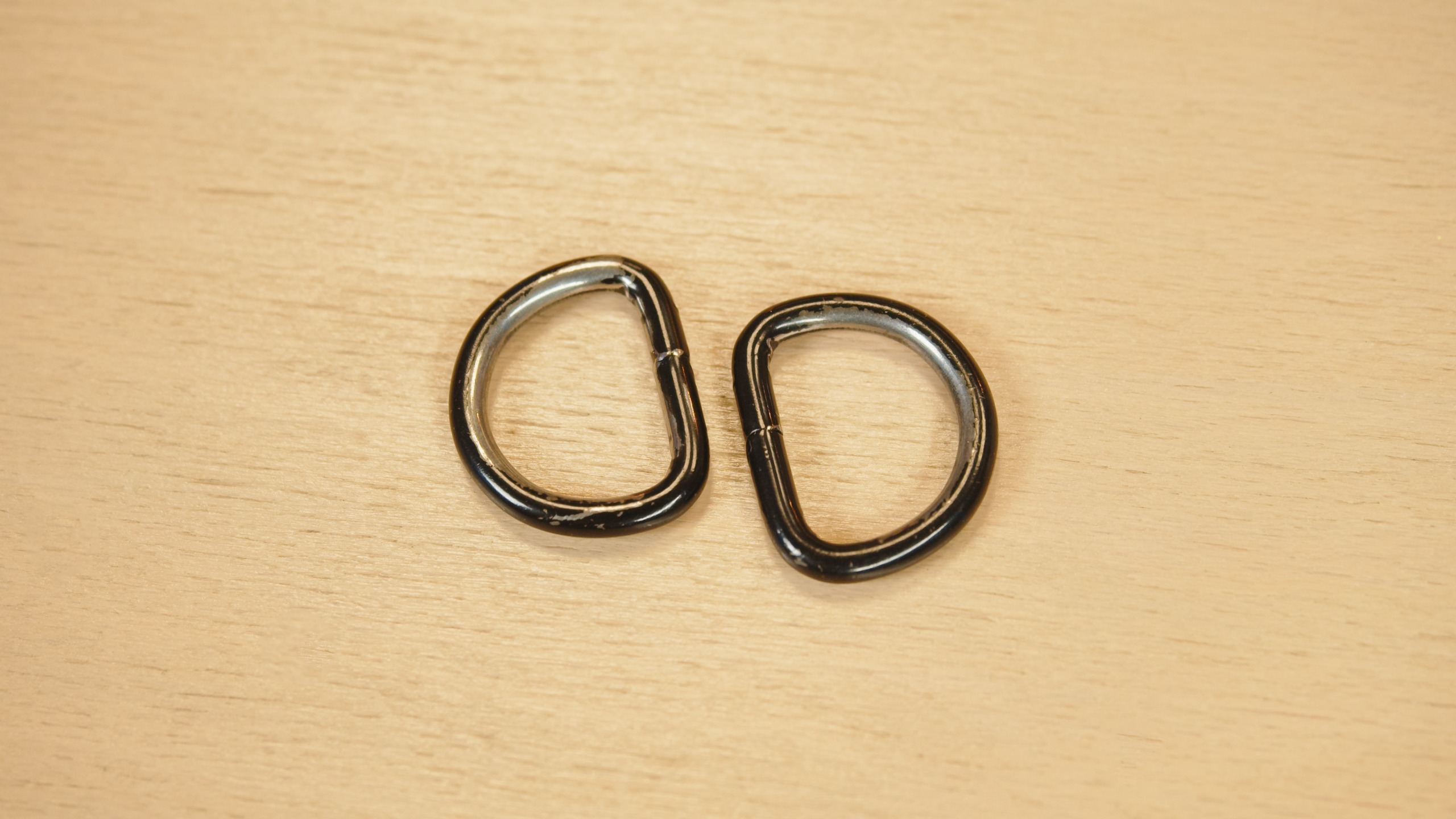
This hardware is made simply by bending thin steel wire into shape, with the ends left open and a gap of 2–5 mm between them. The edges are sharp and show cutting marks.
Critical warning: these parts have minimal strength. Under tension, the ring easily opens up and bends out of shape. The sharp edges can also cut through the threads of webbing or damage leather. Using this hardware at load-bearing points seriously devalues the whole product and reflects poorly on the maker.
Welded steel hardware (in various finishes)
This is the most common standard in the textile industry. It is made from round steel bar with the ends welded firmly together, which eliminates the risk of the ring opening up or deforming.
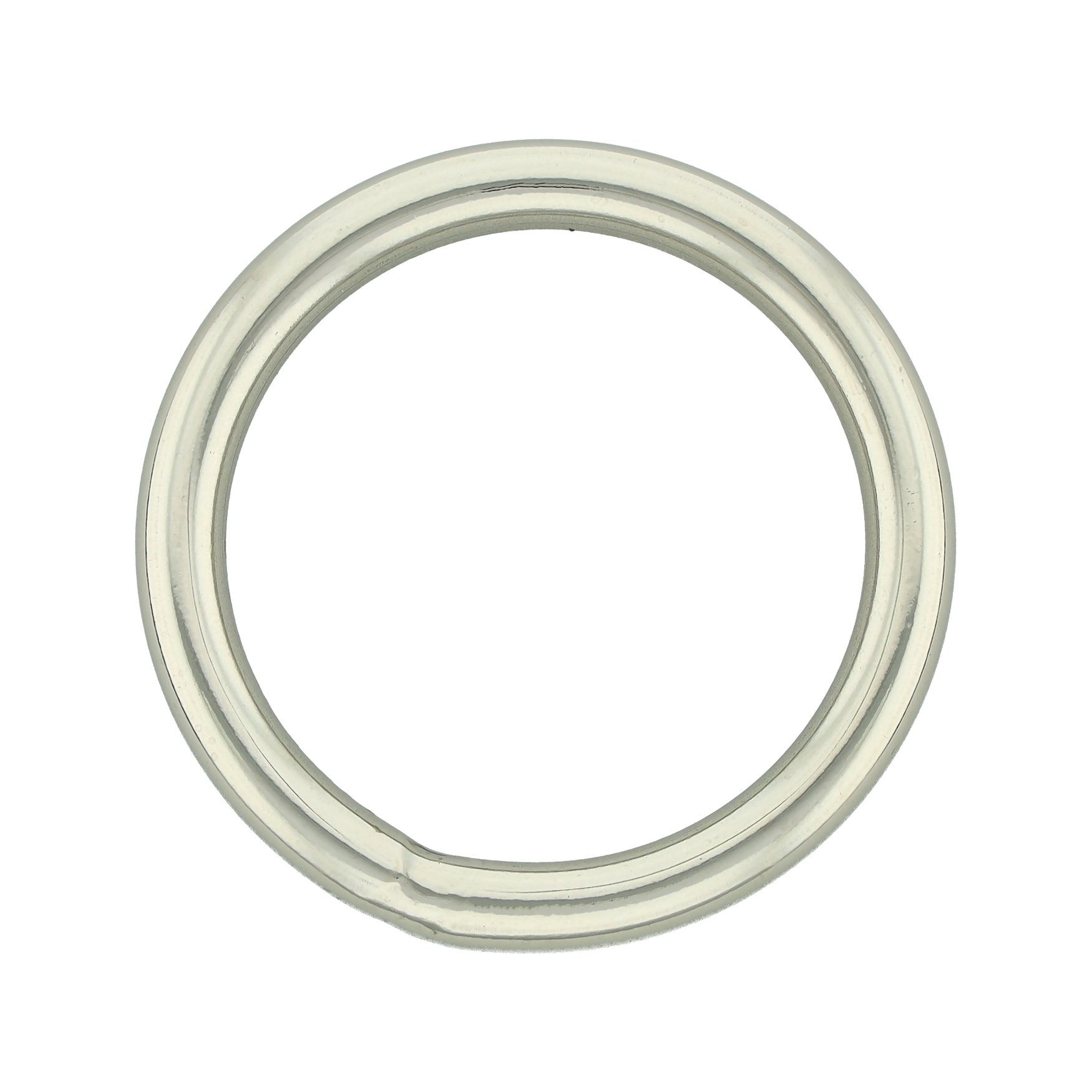
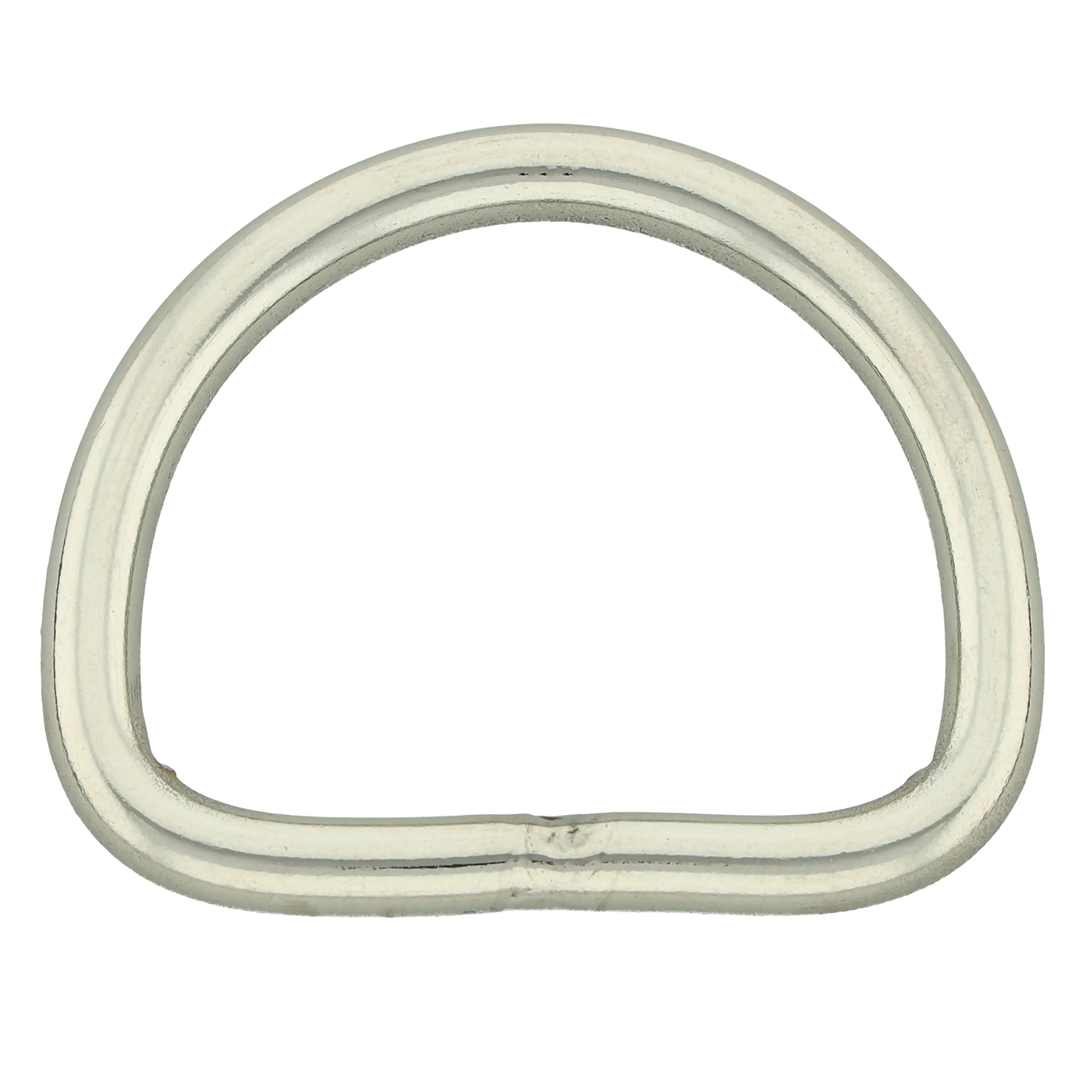
- Nickel-plated finish: silvery white with a high shine. Nickel provides the basic protective layer. However, it is less resistant to acids, alkalis and long-term moisture. It is not suitable for heavily loaded joints with constant metal-on-metal friction (the nickel layer can wear off).
- Chrome-plated finish: you will find it on cast brass and zinc pieces, not on steel ones. It is bright white, hard and scratch-resistant.
Designer and decorative finishes
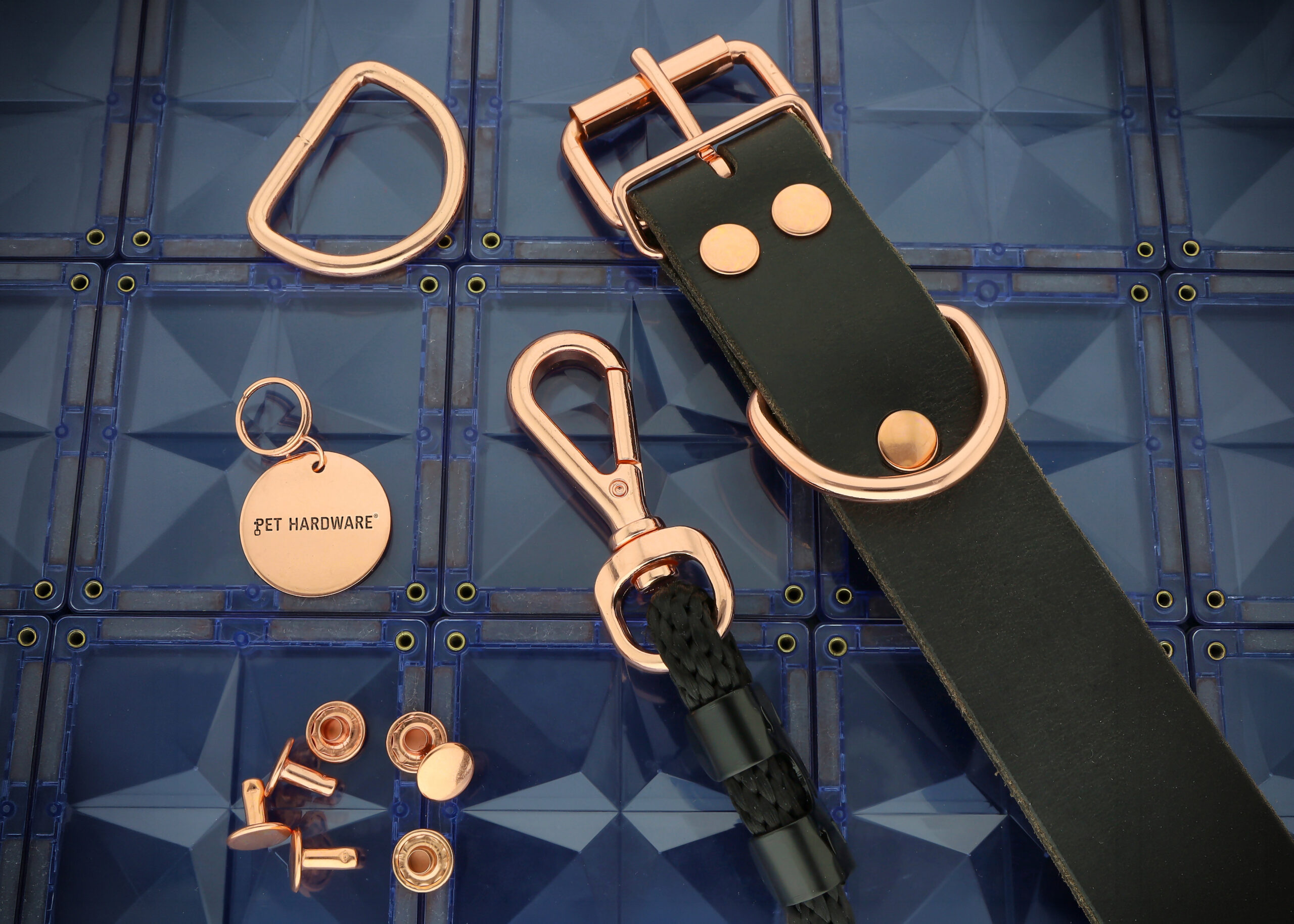
Besides the classic silver look, welded steel hardware now comes in a wide range of modern finishes. These are usually applied by electroplating. The most popular ones include:
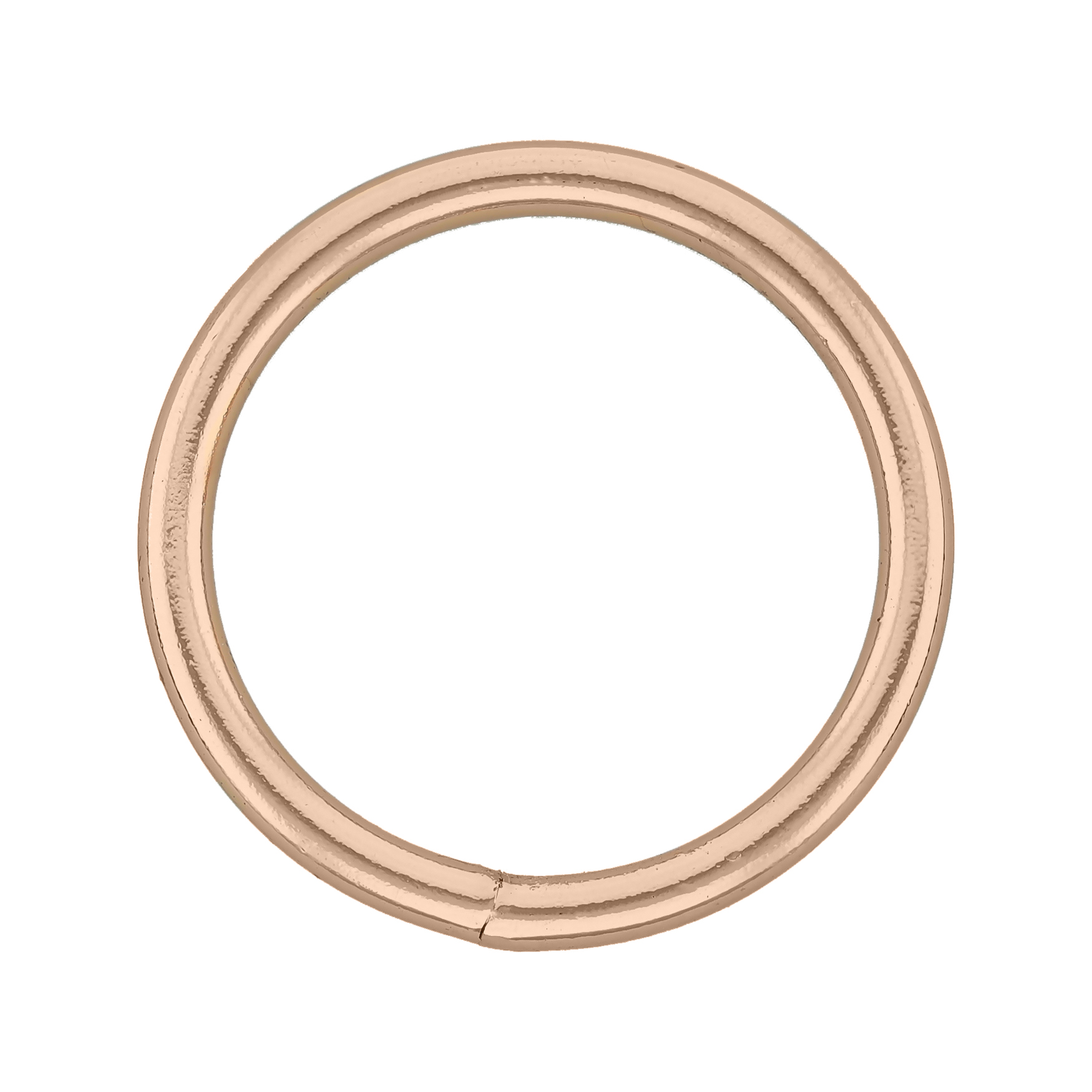
- Rose gold: this soft, pinkish metallic finish gives products an elegant look. It stands out against very dark cowhide leather and webbing, where it reads almost like jewelry. Compared with classic yellow gold, it has a softer and more modern tone, which makes it a popular choice for designer fashion and pet accessories.
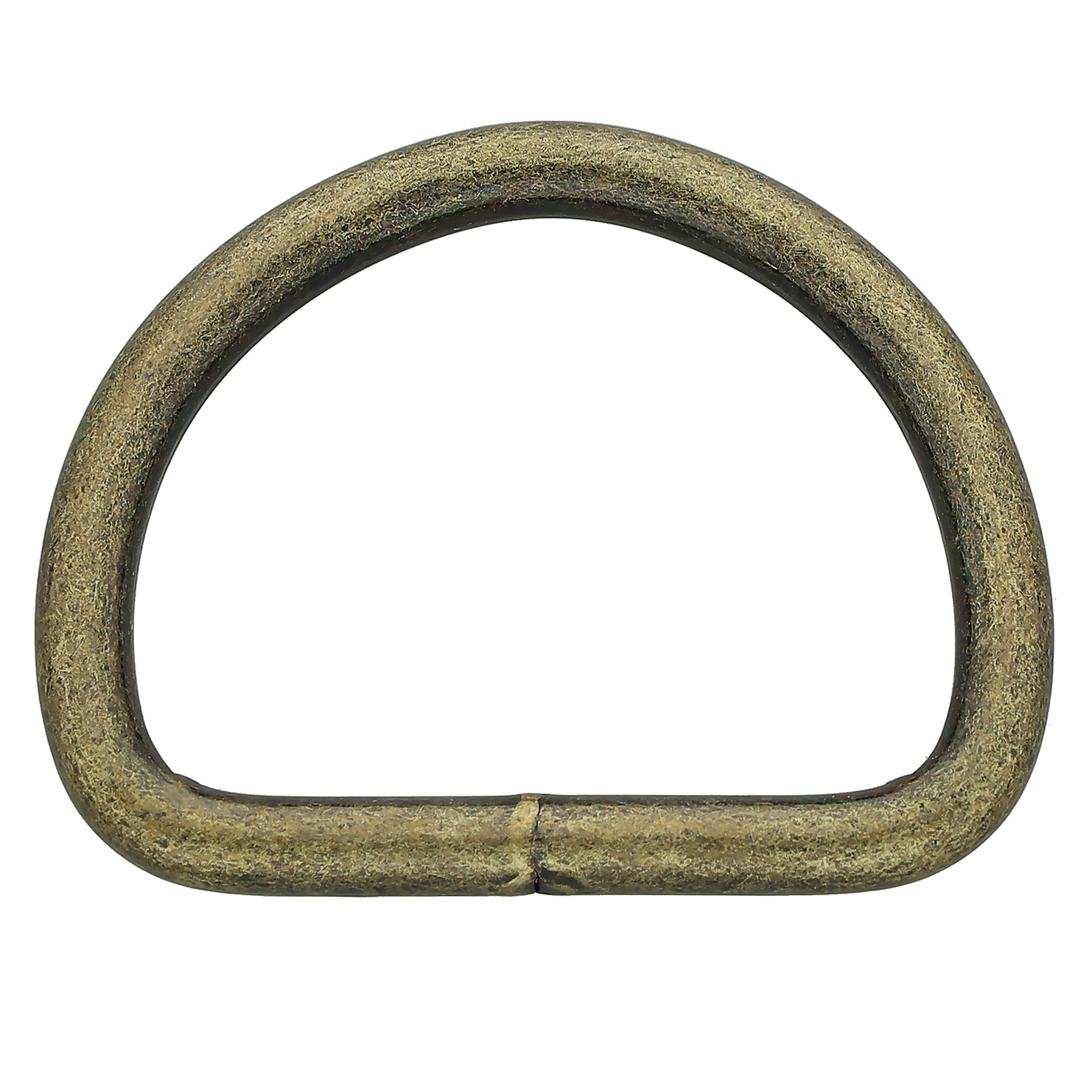
- Antique brass: a natural fit for retro, vintage or raw-style products. Its matte, patinated surface imitates old metal and goes well with natural brown or olive leather and canvas. Small scratches from everyday use also stay out of sight.
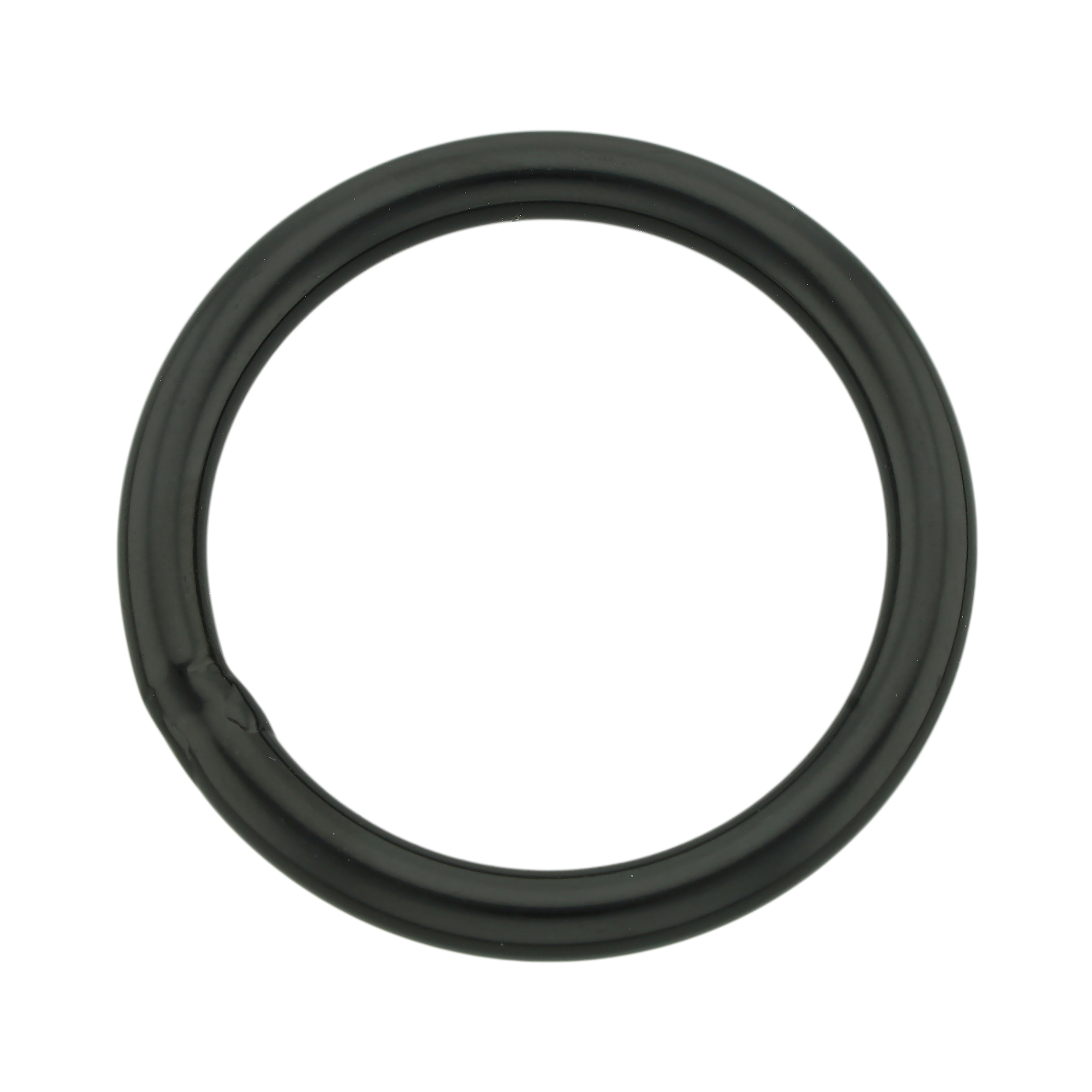
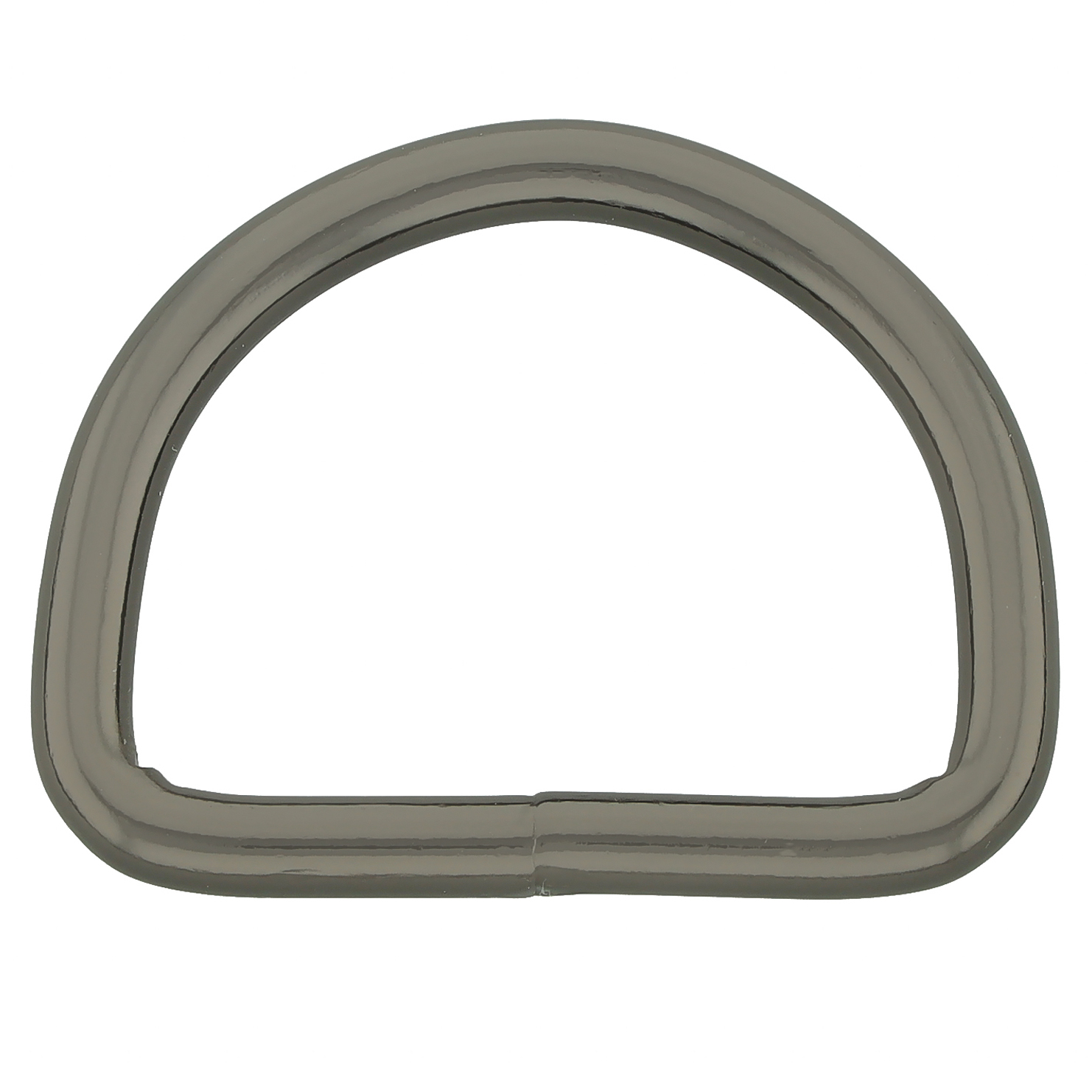
- Matte black: this deep matte finish gives the whole product a modern, industrial character. It works well with synthetic webbing as well as with natural cowhide leather, where it creates a strong contrast. A big advantage of this hardware is that it does not reflect light, so it never looks distracting on the finished piece.
- Brass-plated: a budget alternative to cast brass. The hardware has a bright gold-tone colour and gives products a distinctly golden look. Keep in mind, though, that it is only a layer on steel: unlike solid brass, this hardware is not suitable for salt water.
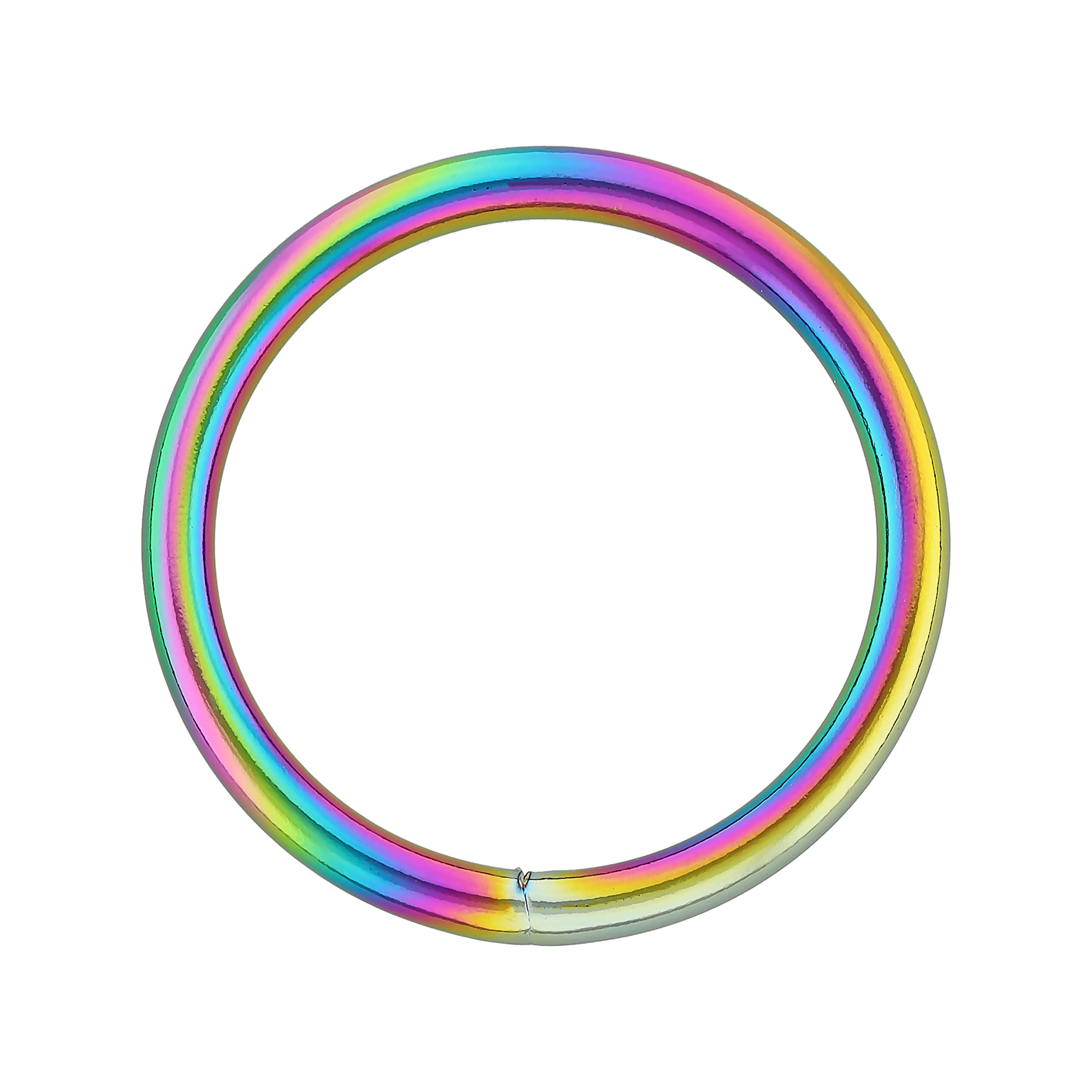
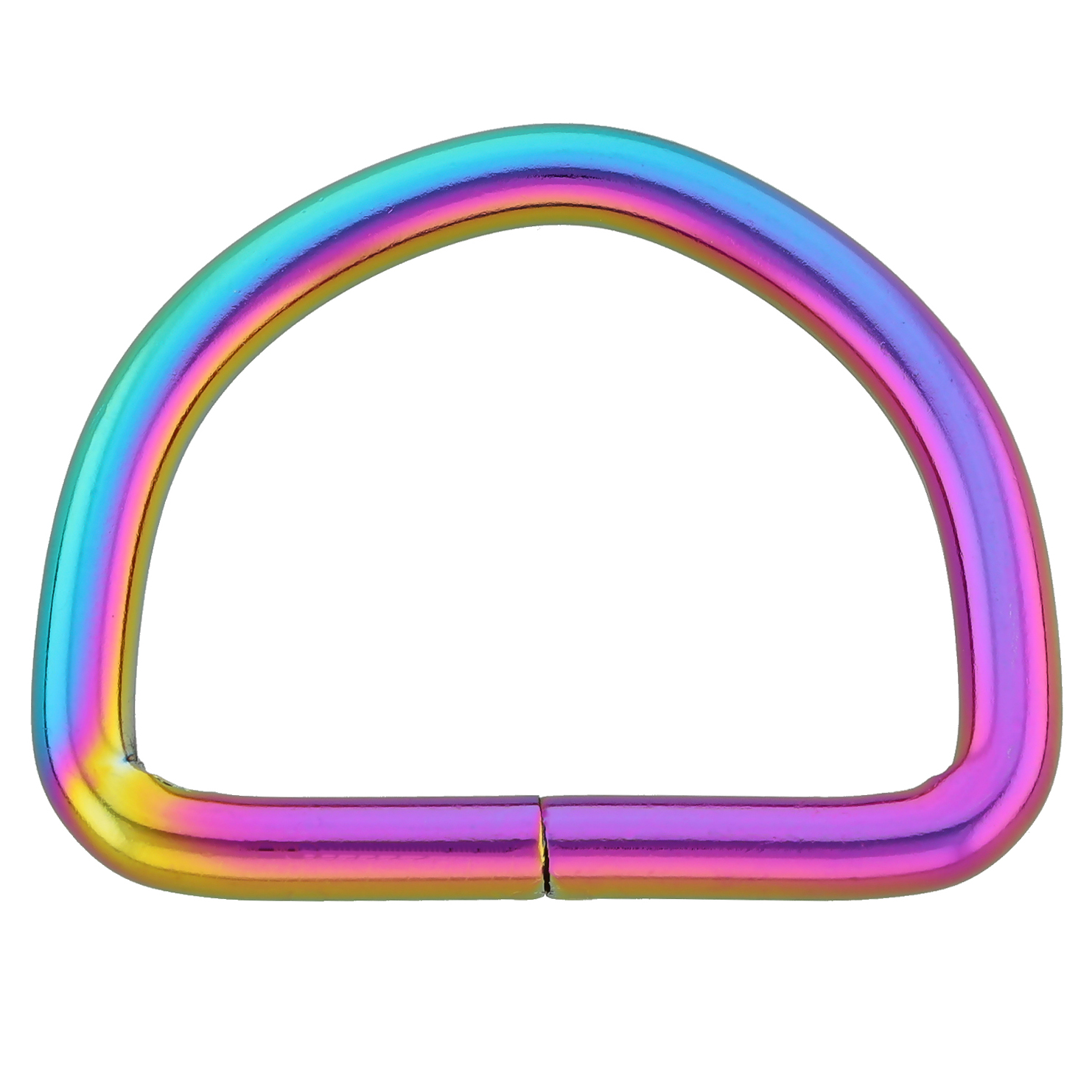
- Iridescent (neo-chrome with titanium): a finish that shifts from purple through blue to green and gold depending on the angle of the light. It is popular with makers of streetwear accessories and dog harnesses.
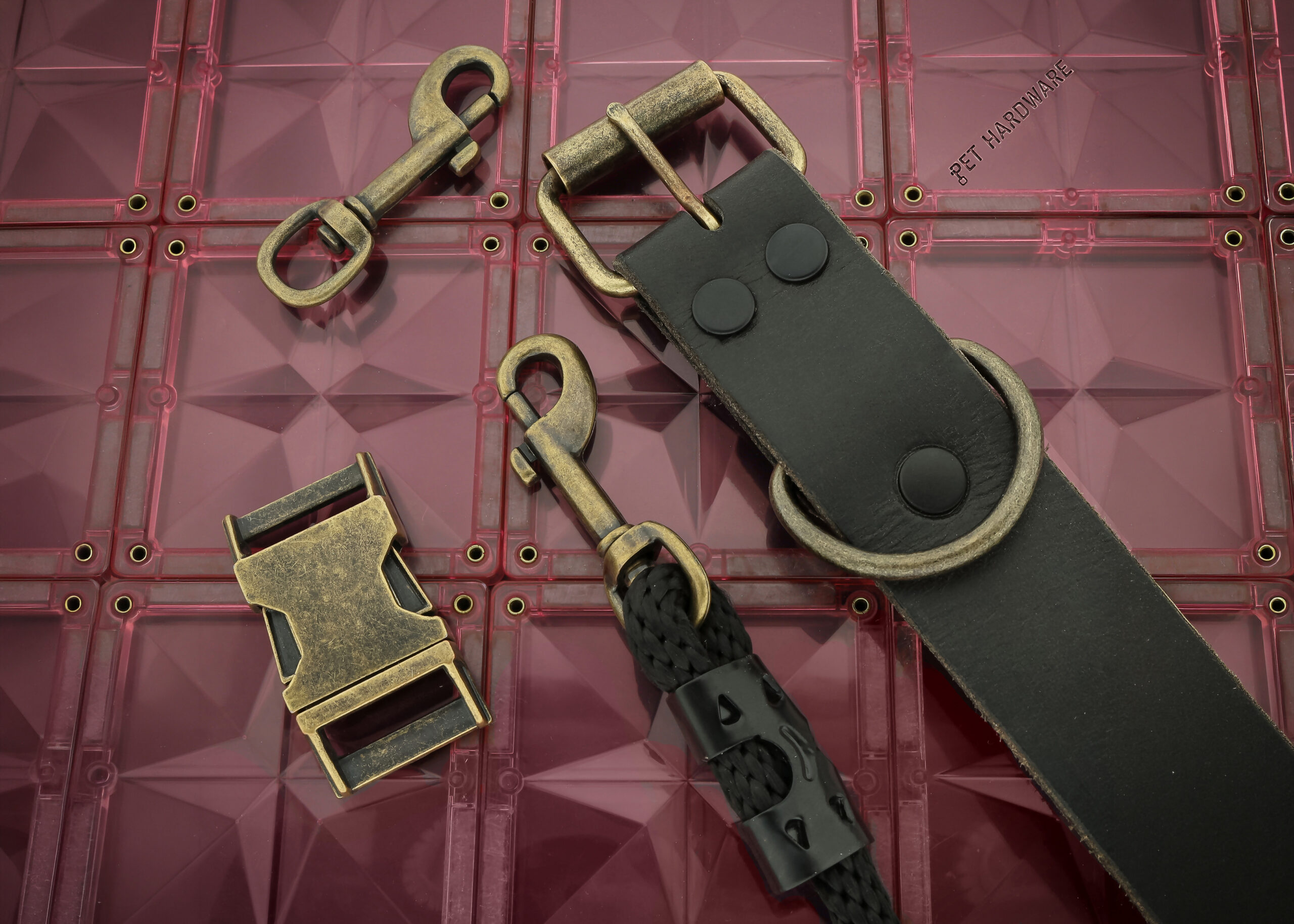
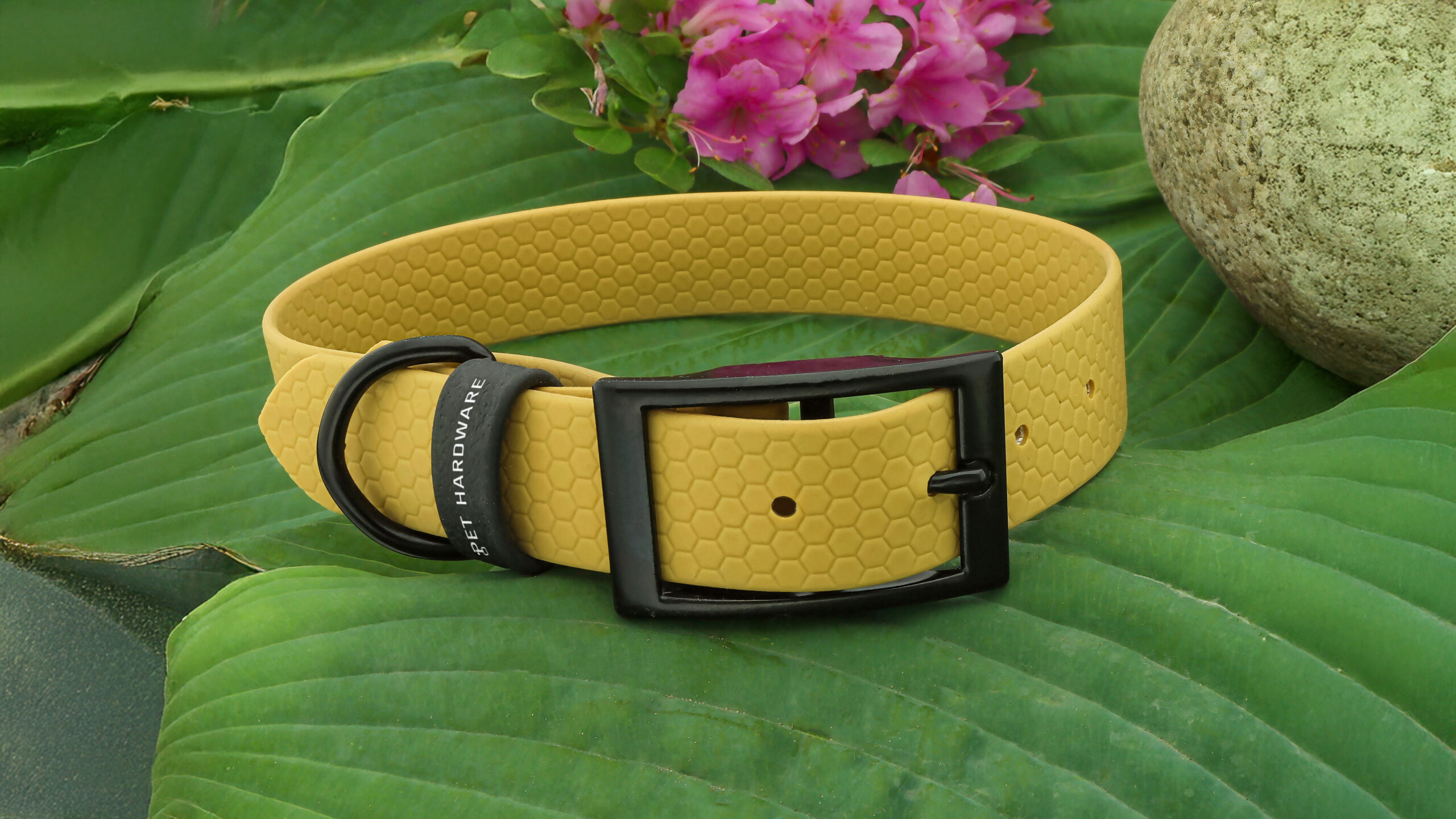
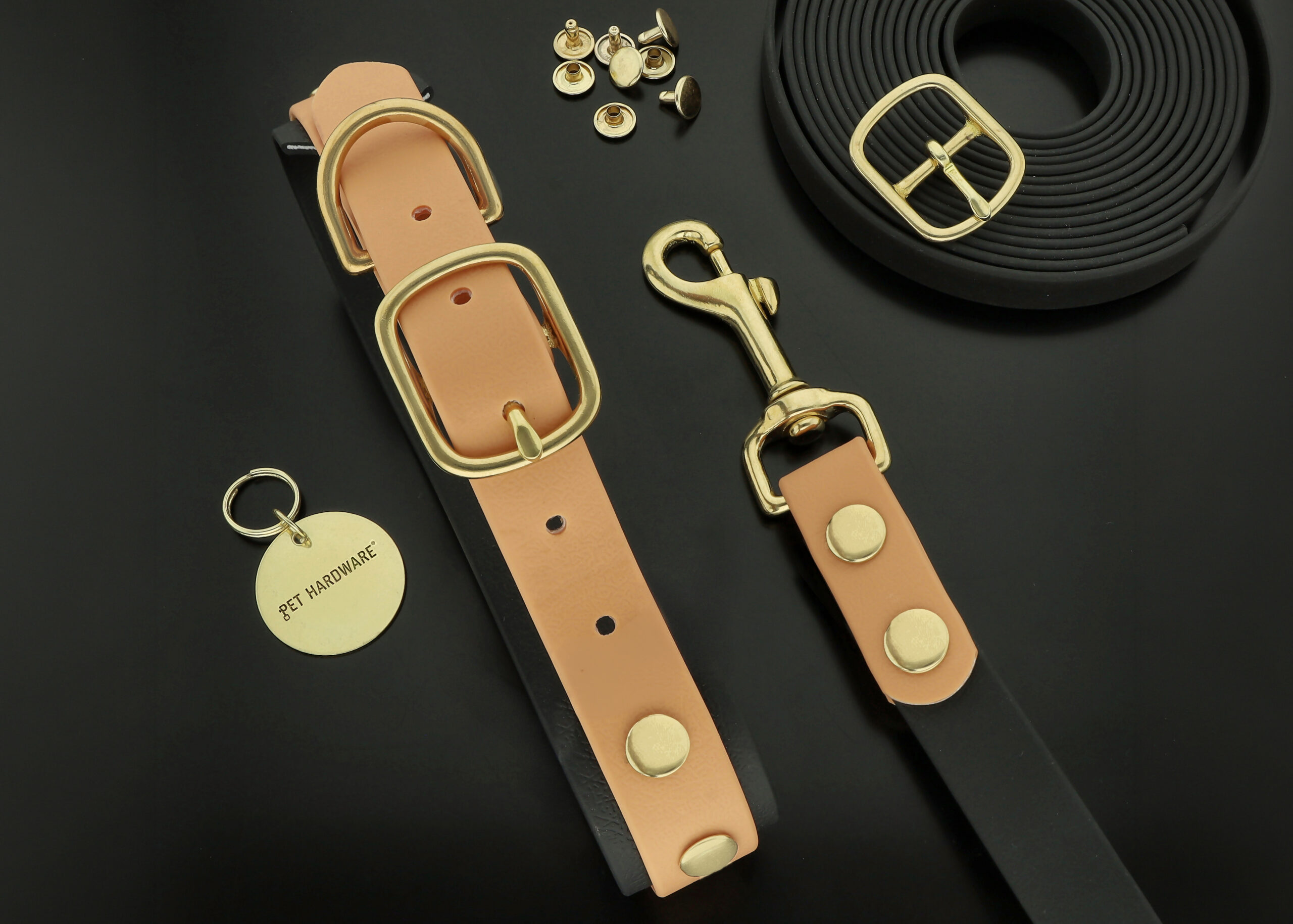
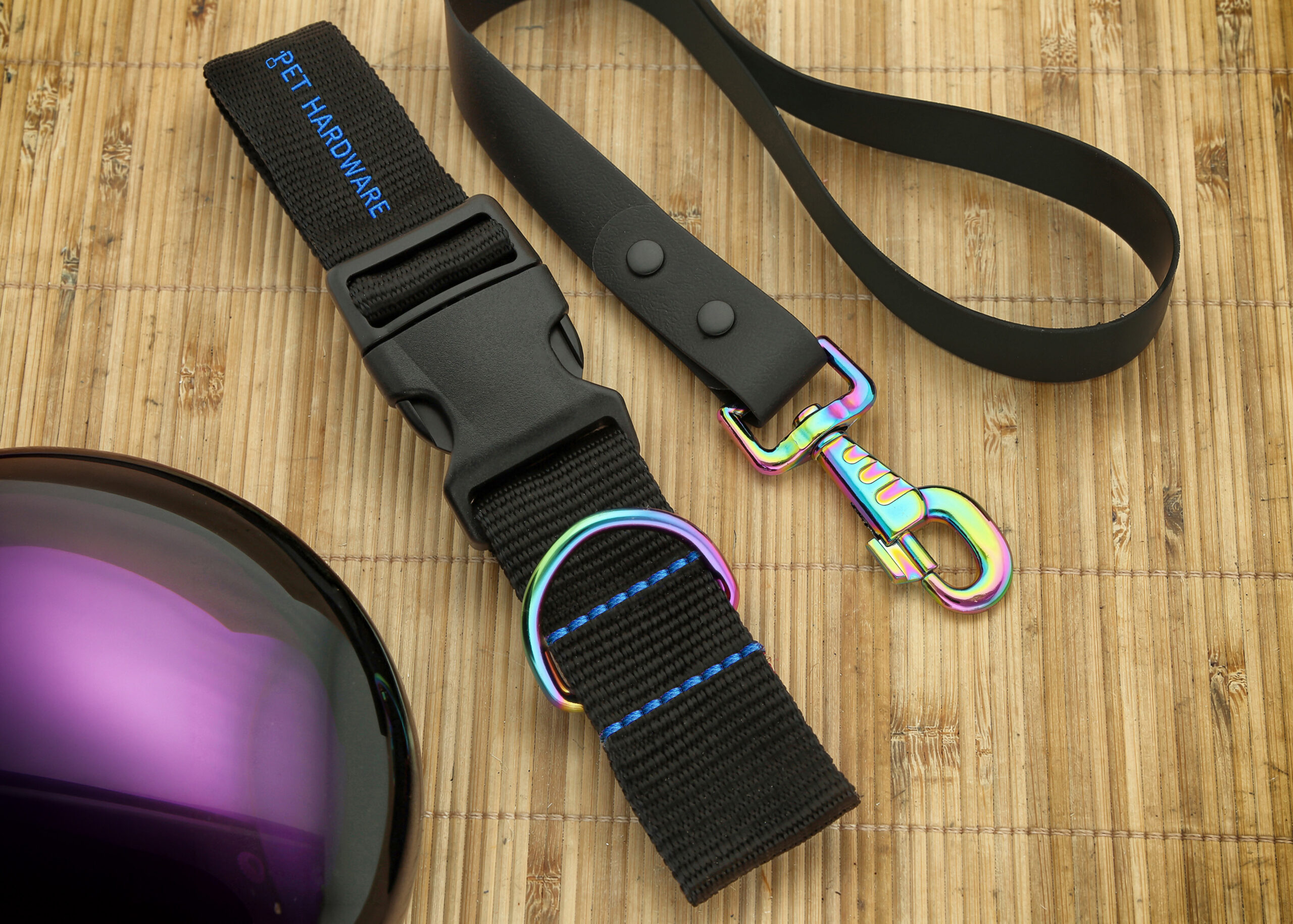
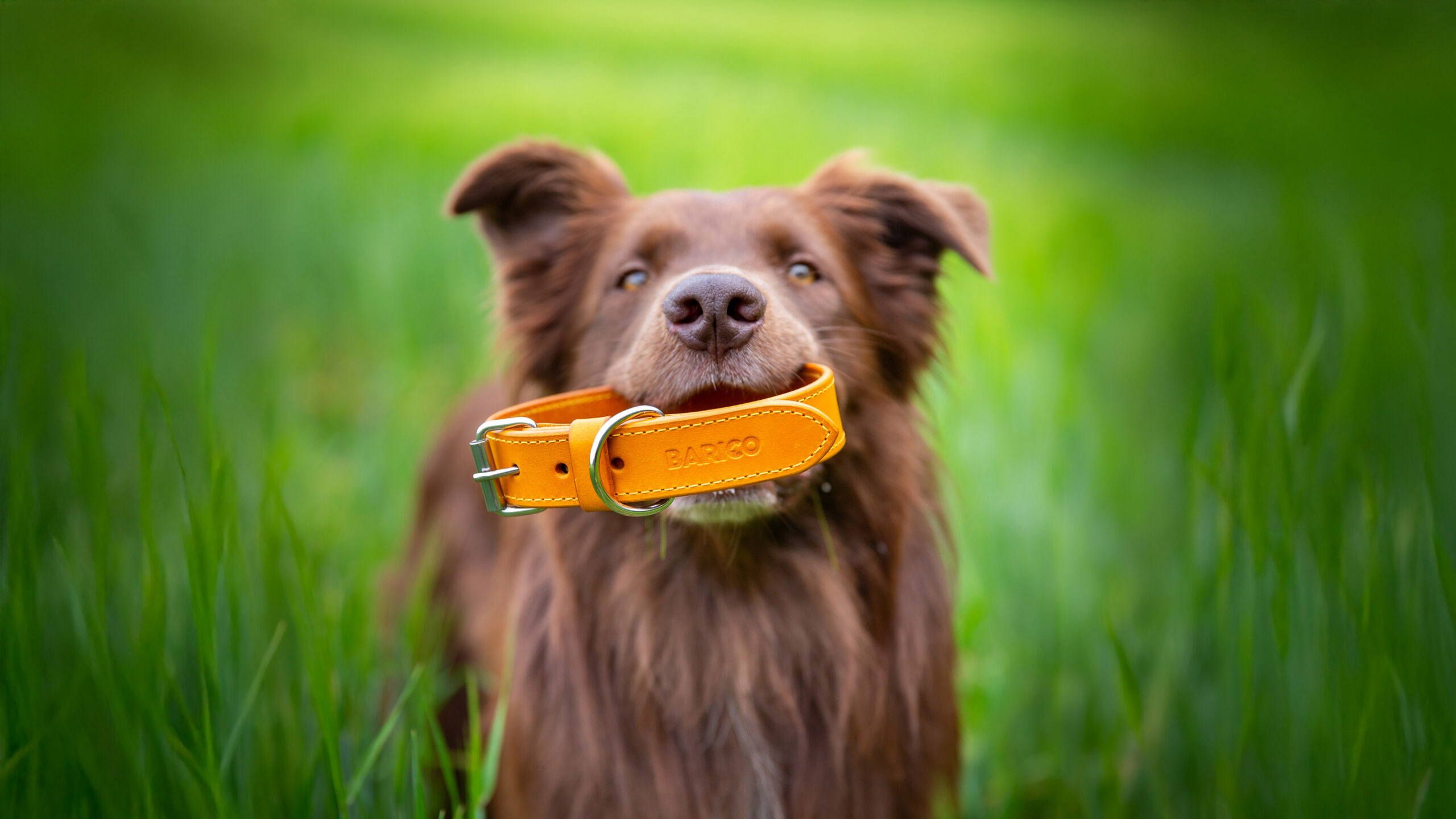
Good for: collars or harnesses for small dog breeds (poodle, Yorkshire terrier, dachshund), city backpacks, sports bags, handbags, briefcases, cases and more.
How long coloured hardware lasts
Keep in mind that all decorative finishes are applied over a steel base. Under constant mechanical stress and friction, for example where a snap hook rubs against a ring, the surface layer can wear or rub off over time. This is a natural property of plated materials, not a defect. If you want hardware where the colour never wears off, choose pieces made of solid cast brass or stainless steel, which have the same composition all the way through.
Cast zinc
Zinc looks great and flows very well when molten, which makes it possible to cast precise, smooth and slender shapes with no visible joints or welds. The surface is usually nickel-plated or chrome-plated.
In terms of construction, this is elegant hardware with a stable shape. However, zinc alloys are more brittle than steel or brass, so they must not be exposed to sudden impacts or extreme tension.
Good for: elegant handbags, designer accessories, light sports bags and small leather goods, where a clean look without welds matters and the load stays low to medium.
Brass hardware
Brass (an alloy of copper and zinc) holds up well against moisture and corrosion. It is cast, and it stands out for its solid build and natural golden look.
Brass does not rust and tolerates salt water. Over time it develops a characteristic patina.
Good for: harnesses or leashes for medium-sized dog breeds (beagle, cocker spaniel, border collie; choose the specific piece by the breaking load listed with the product), leather goods (saddlery), sailing gear, fishing gear and dive bags.

Stainless steel hardware
A modern, technologically advanced material for extreme conditions. Its high chromium and nickel content gives it very good resistance to chemical and electrochemical corrosion thanks to the natural passivation of the surface.
Stainless steel is the most corrosion-resistant option, which makes it a good choice near water, on the coast and outdoors. It does not win on strength, though: at the same size, the welded steel O-rings and D-rings in our catalog have the same or a higher breaking load. What counts is the value listed for the specific piece. The hardware keeps its look for years, but it is not indestructible.
Good for: diving and sailing gear, climbing and outdoor equipment, heavy-duty working harnesses, mushing (sled dog) gear, ponies, and large or strong dog breeds (Rottweiler, Great Dane, shepherd).
Conclusion: how to choose the right O-ring or D-ring
When you design a product, always ask yourself two basic questions: what mechanical load will it carry, and what conditions will it face?
- For everyday fashion accessories and light backpacks, welded steel or decorative zinc hardware is all you need.
- For products used in damp conditions, near water or for medium-sized animals, go with reliable brass.
- Where safety depends on the strength of the hardware (large animals, extreme sports, outdoors), choose by the breaking load listed for the specific piece and leave yourself a margin. Stainless steel adds corrosion resistance on top, so it suits water and outdoor use.
- Avoid unwelded steel hardware at load-bearing joints altogether.

I would just like to congratulate you on the best , most comprehensive and helpful website for crafters
I don’t feel I need to look elsewhere for materials
very well done , thank you and keep it up
Peter
Thank you