
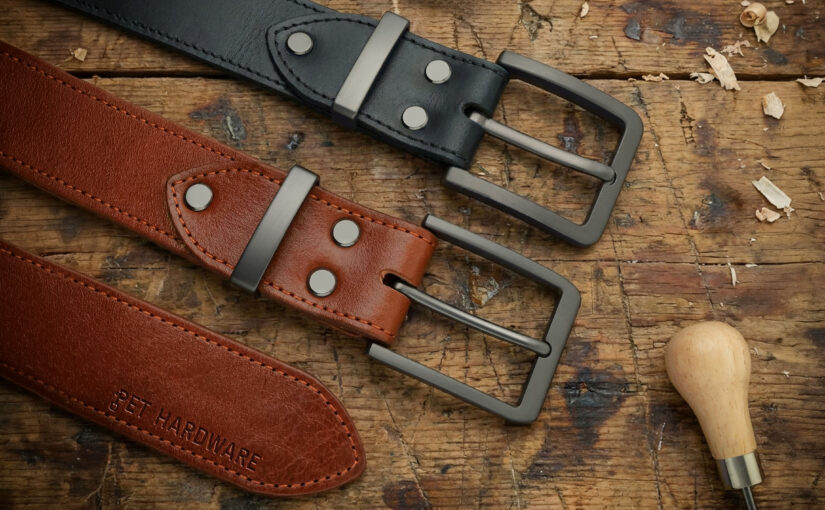
Do you manufacture collars, leashes, or premium belts? Sooner or later, you’ll face the question of how to join layers of material so that the connection looks great, is extremely strong, and – if needed – can still be disassembled. The answer is simple: Chicago screws, also known as screw posts.
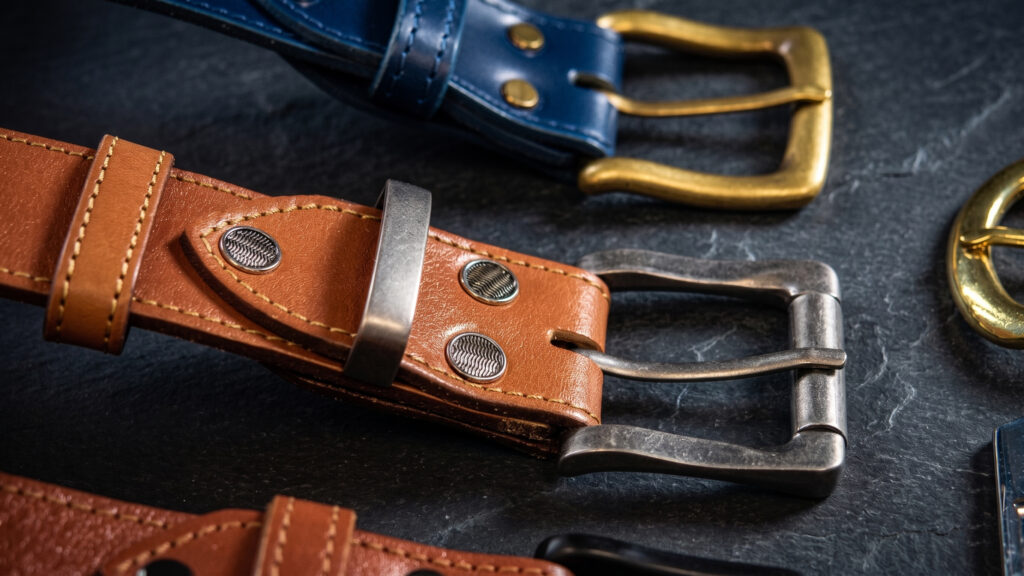
What Is a Chicago Screw and Why Use One?
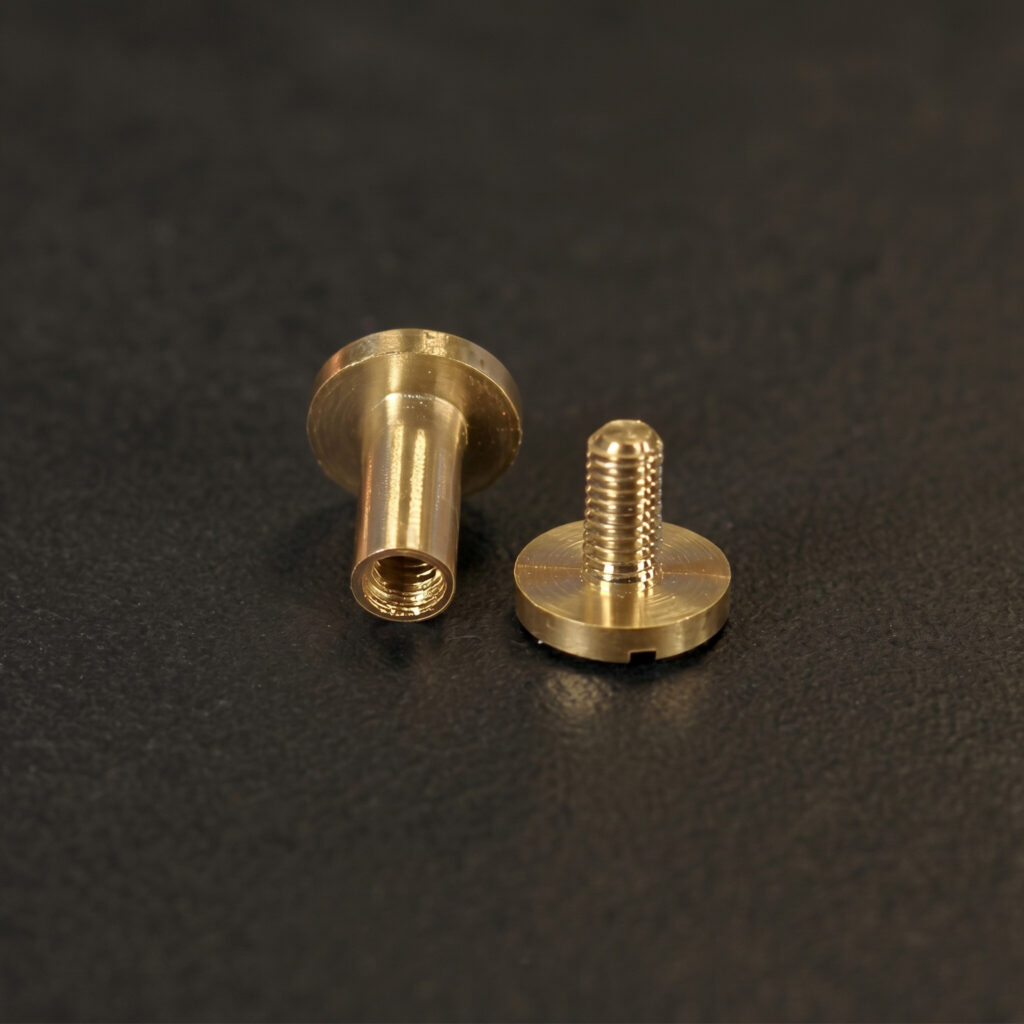
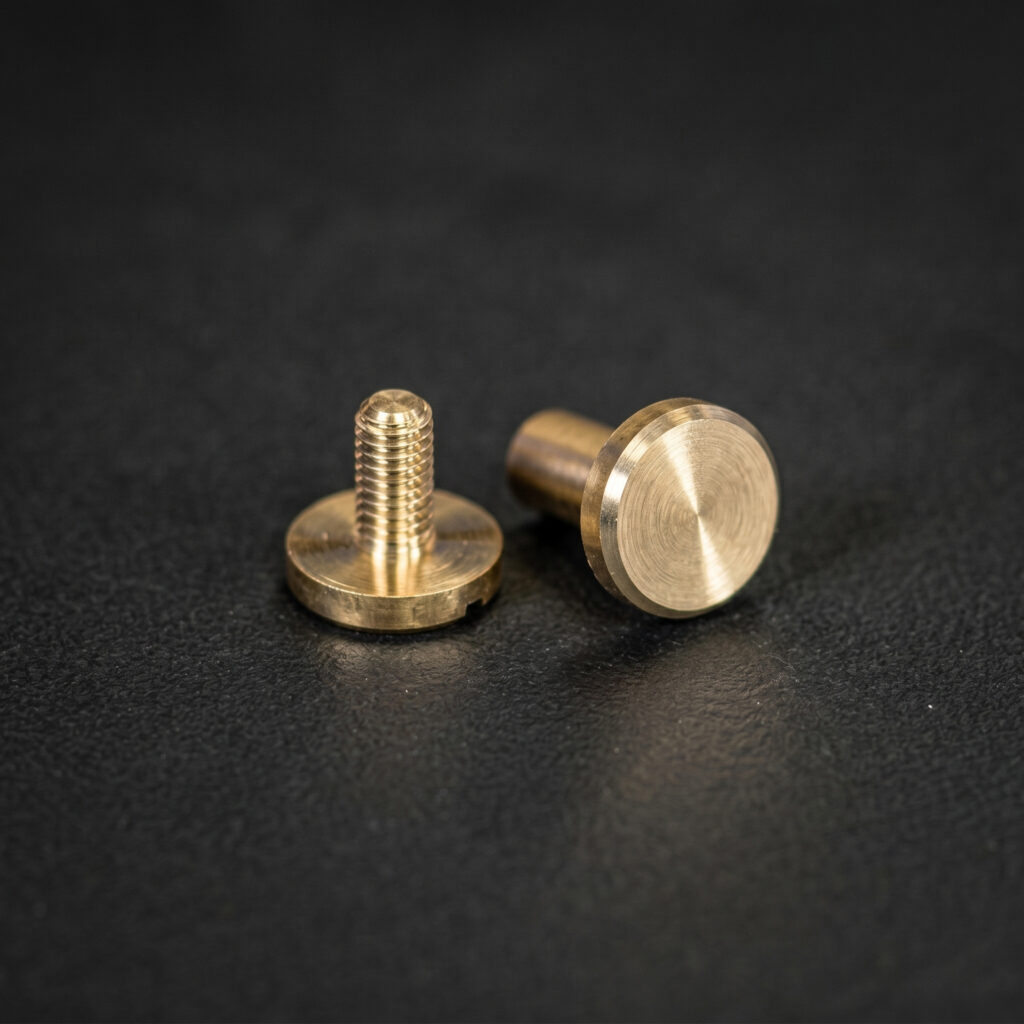
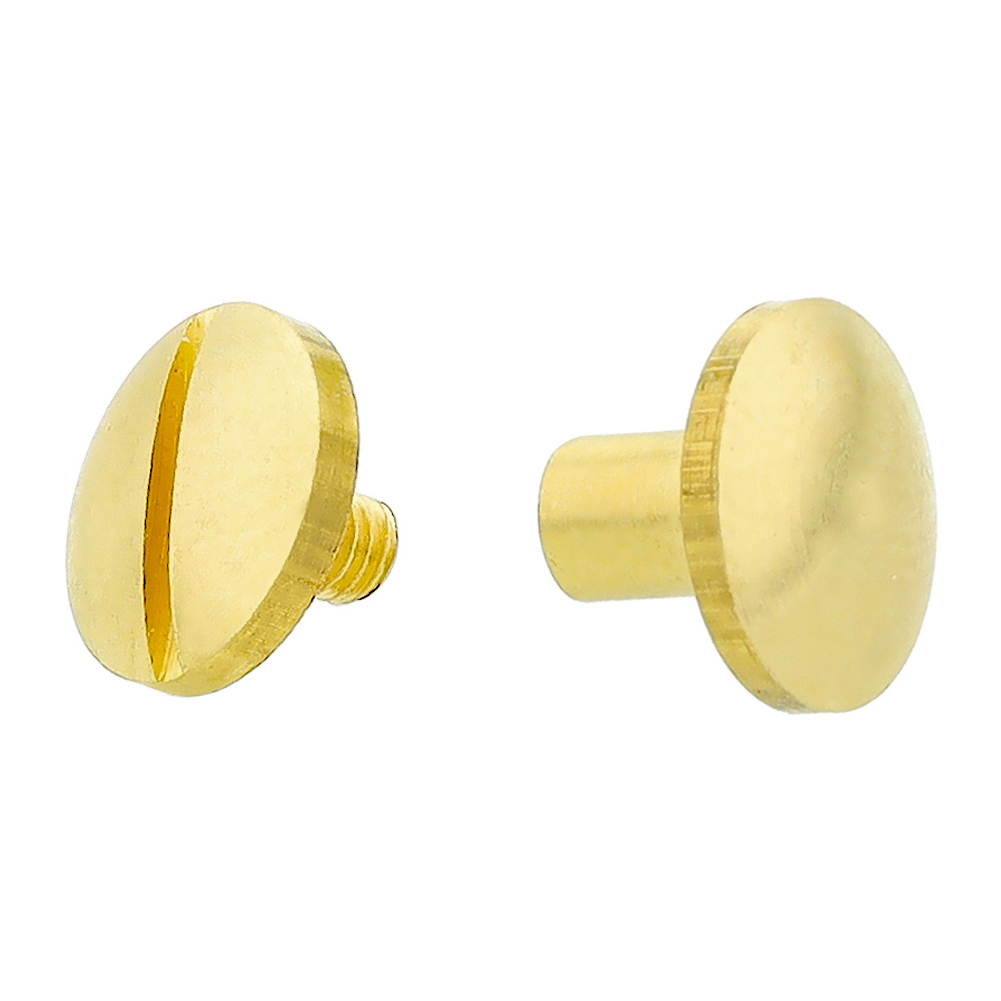
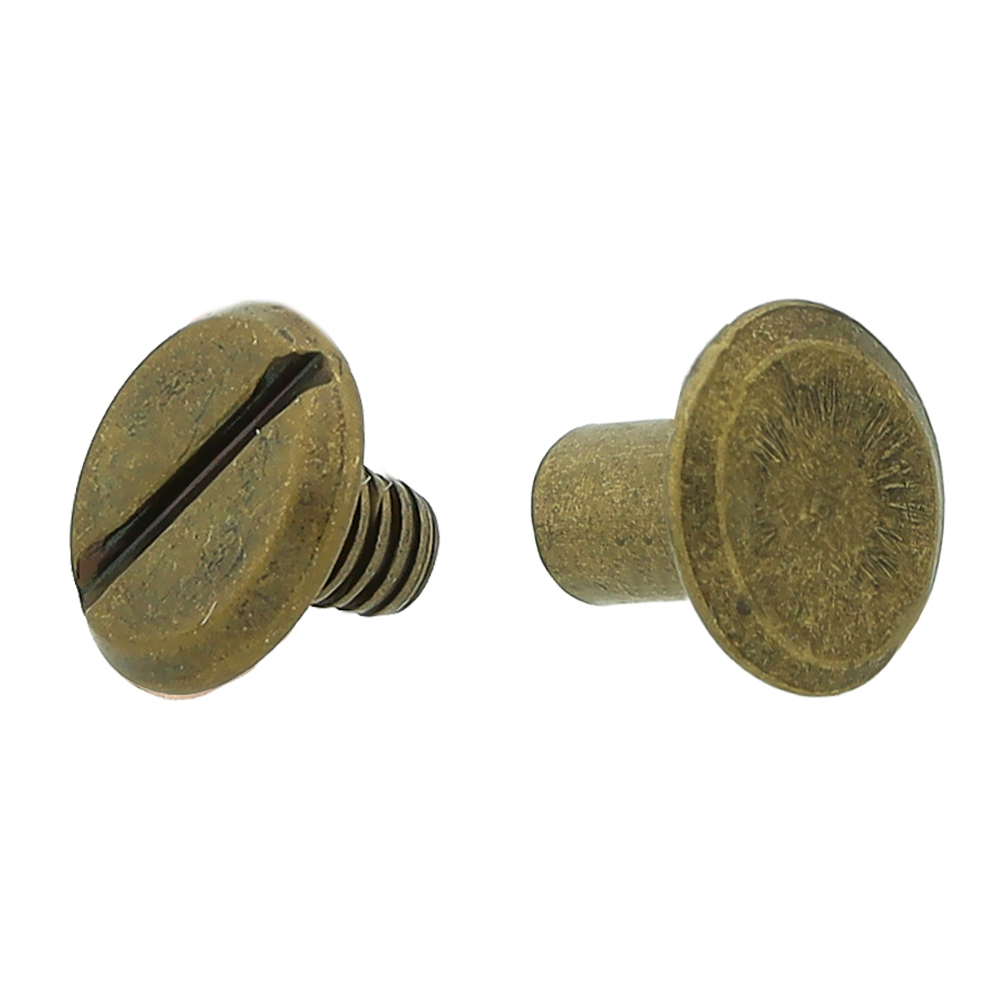
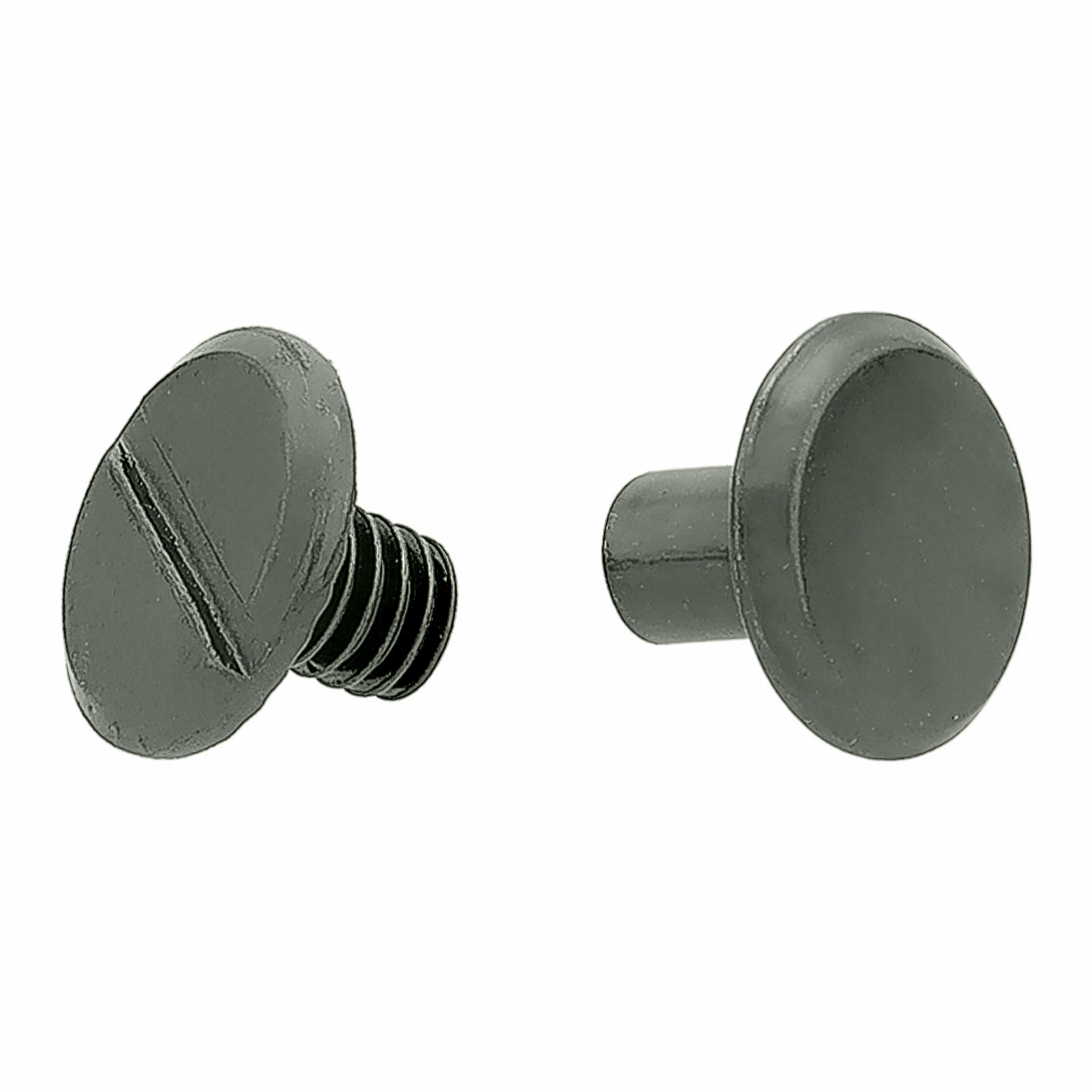
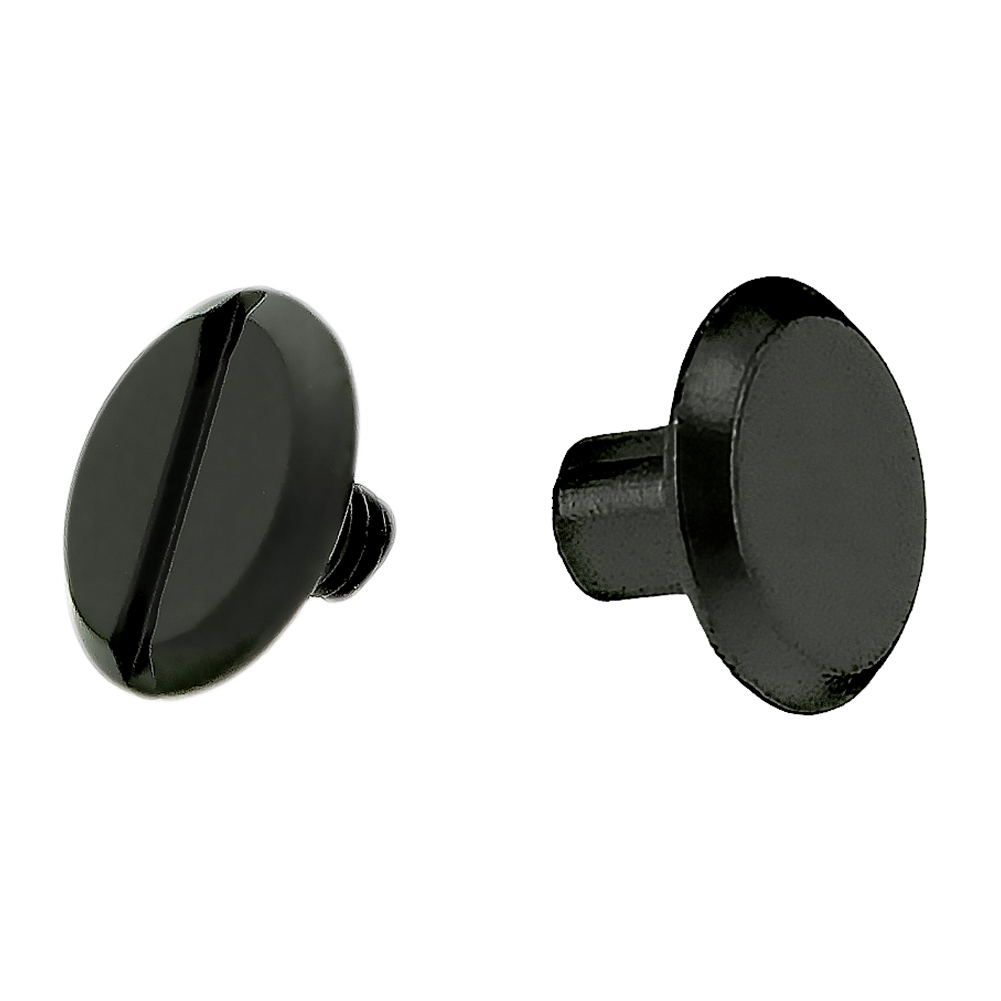
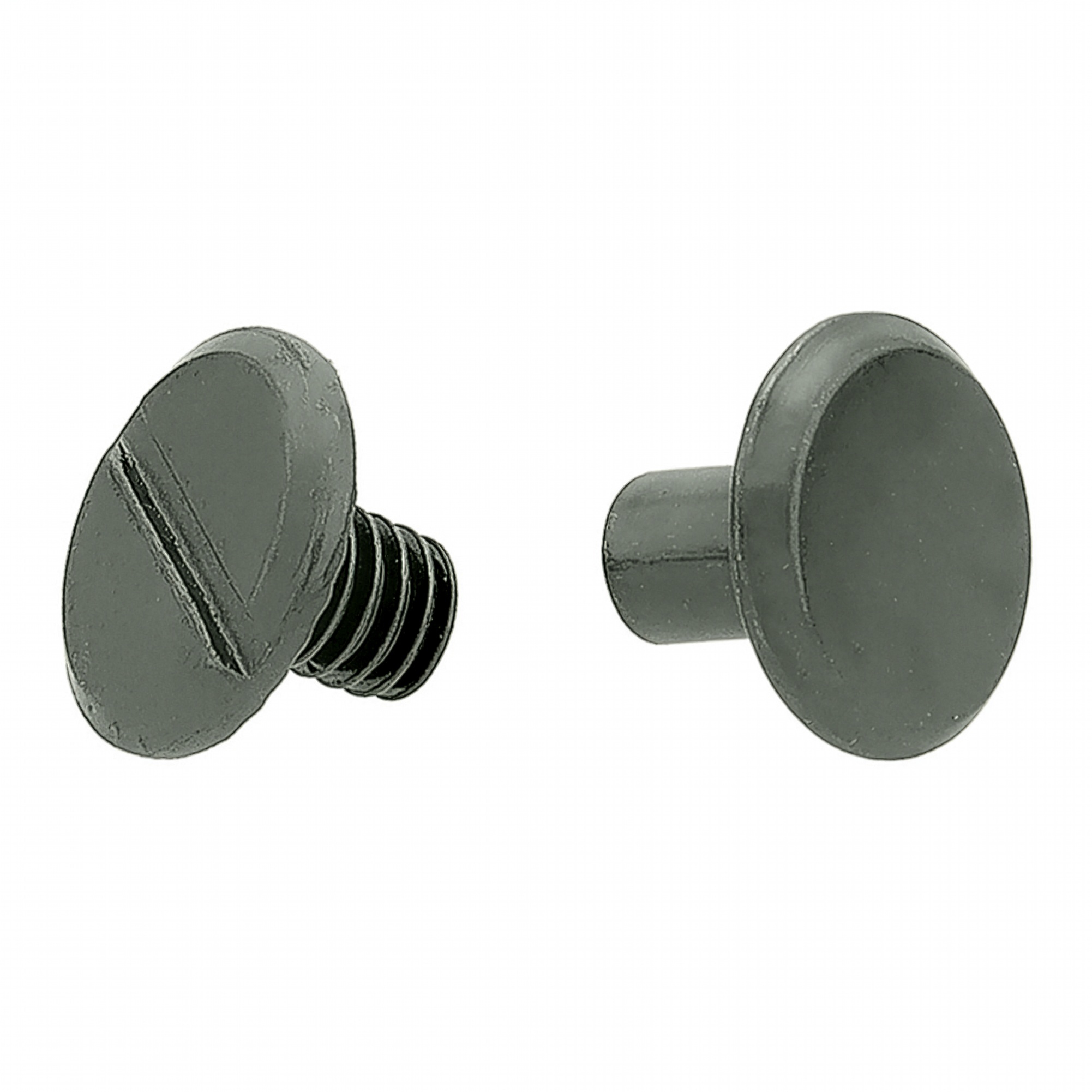
A Chicago screw consists of two parts: a hollow post with an internal thread and a matching screw. Unlike a traditional rivet, which must be peened with a hammer and permanently fixes the connection, a screw post offers both elegance and the possibility of future disassembly.
Key Advantages
- Disassembly: Need to replace a belt buckle or a leash snap hook? All you need is a screwdriver. An ideal solution for products designed to be adjustable or customizable.
- Aesthetics: A screw connection looks symmetrical and exceptionally clean. One side remains smooth, while the other reveals the functional screwdriver slot, giving the product an honest, handcrafted appearance.
- Strength and safety: You have complete control over how tightly the connection is fastened. There’s no risk of unintentionally deforming or damaging the material, something that can occasionally happen with rivets when struck carelessly with a hammer.
Types by Design and Appearance
Our range includes several types of screw posts that differ not only in finish but also in their appearance after installation. This allows you to fine-tune your product down to the smallest detail.
- Standard Chicago screws: The most common version. A smooth-headed post paired with a slotted screw.
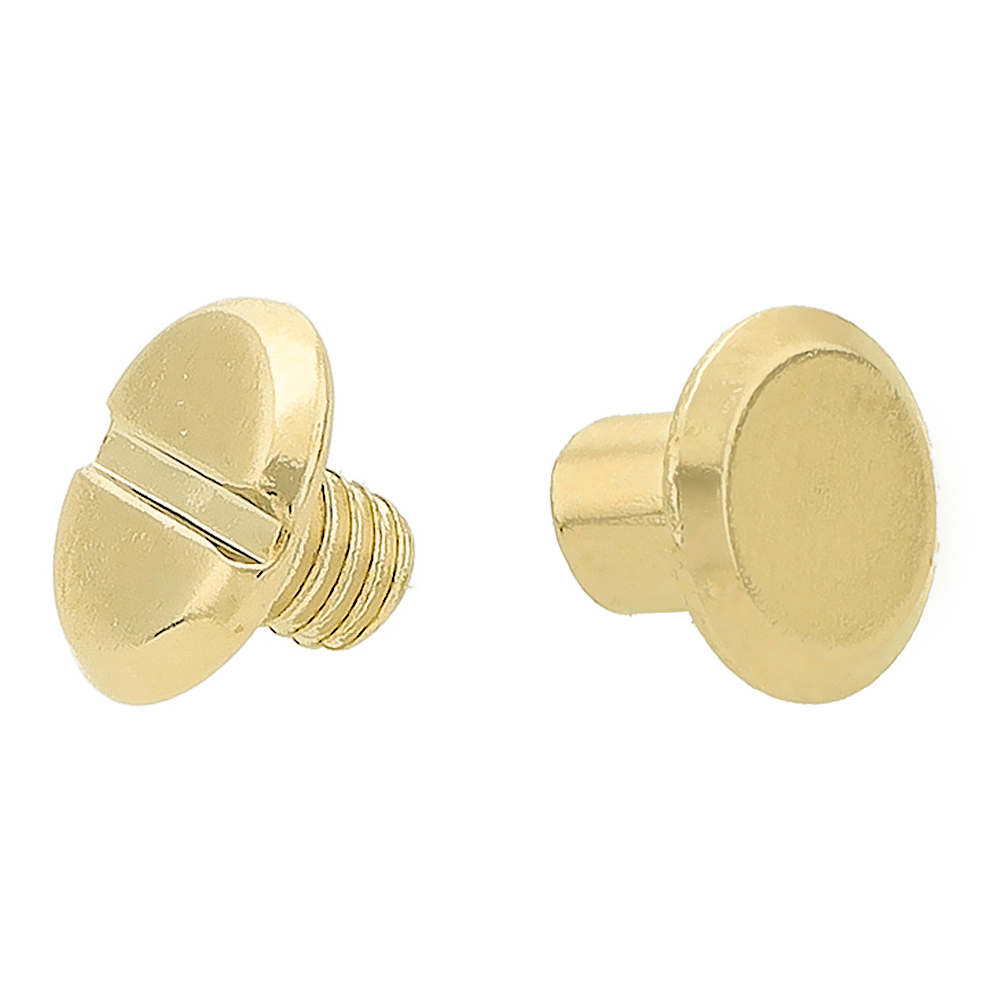
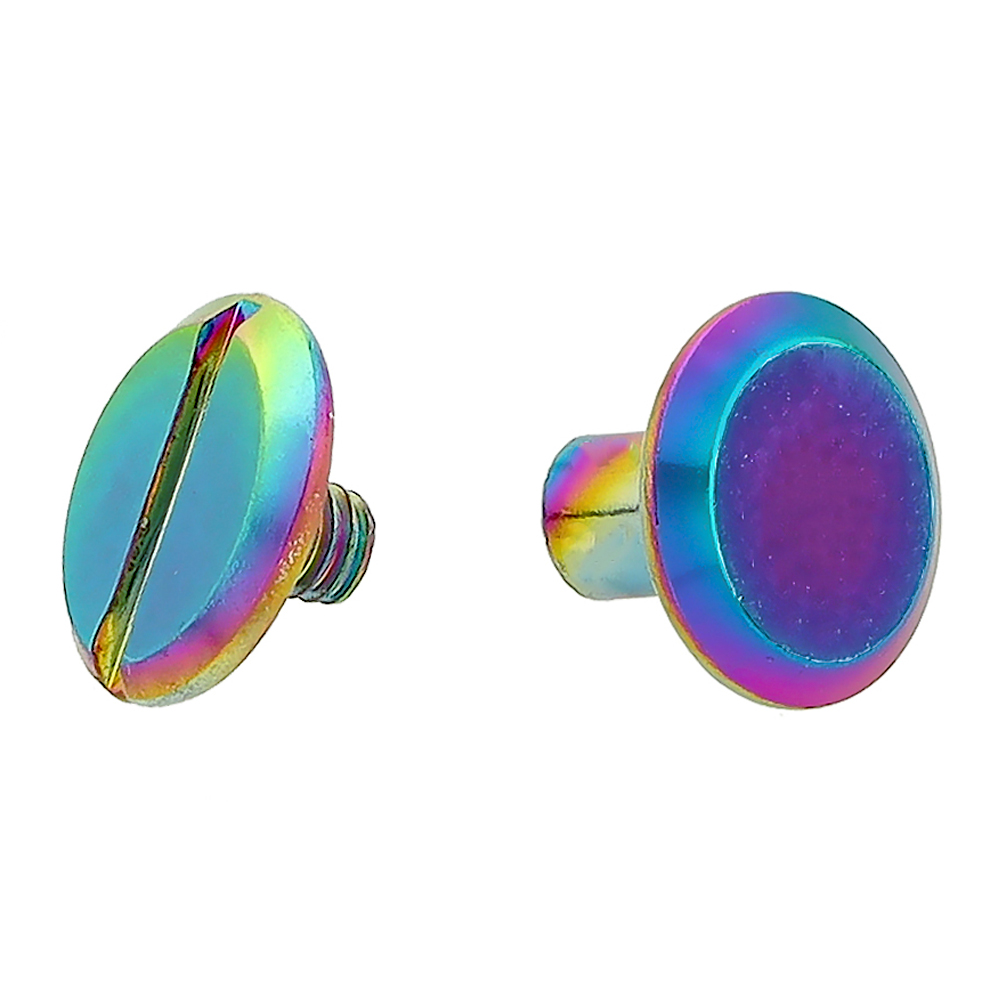
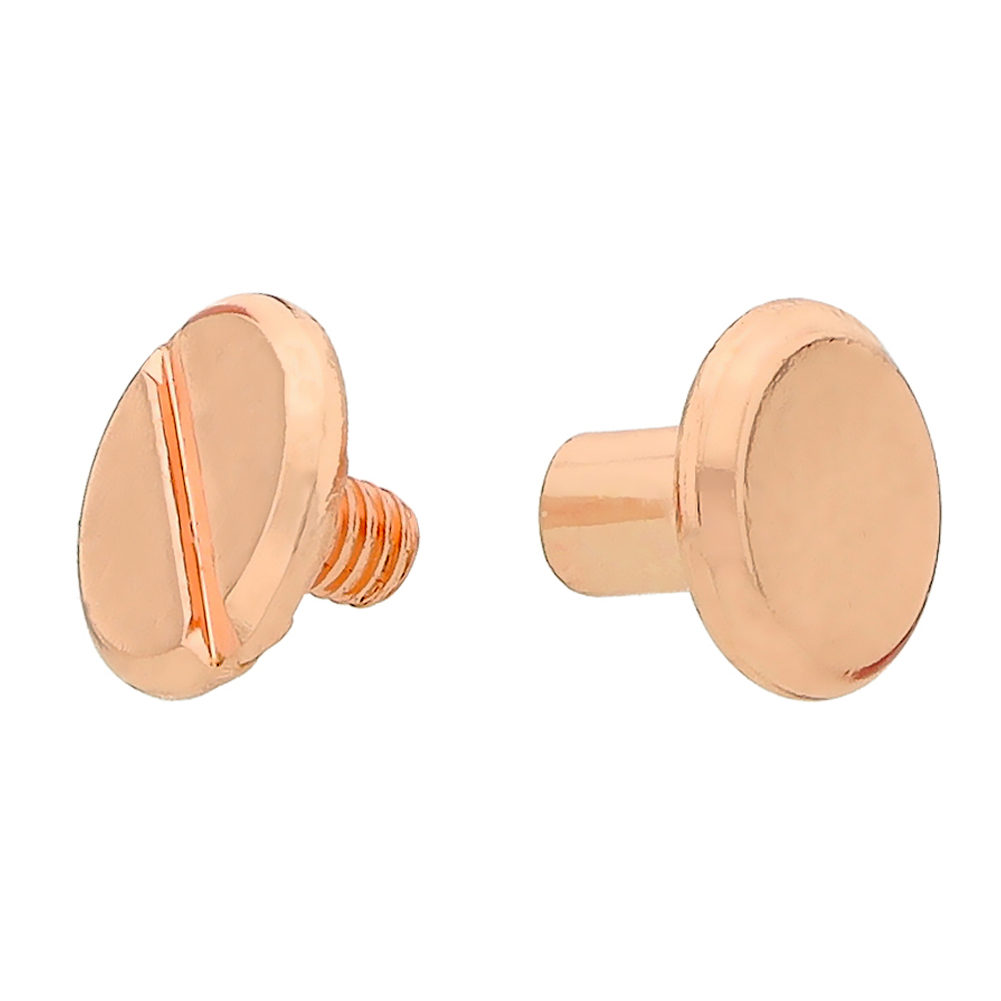
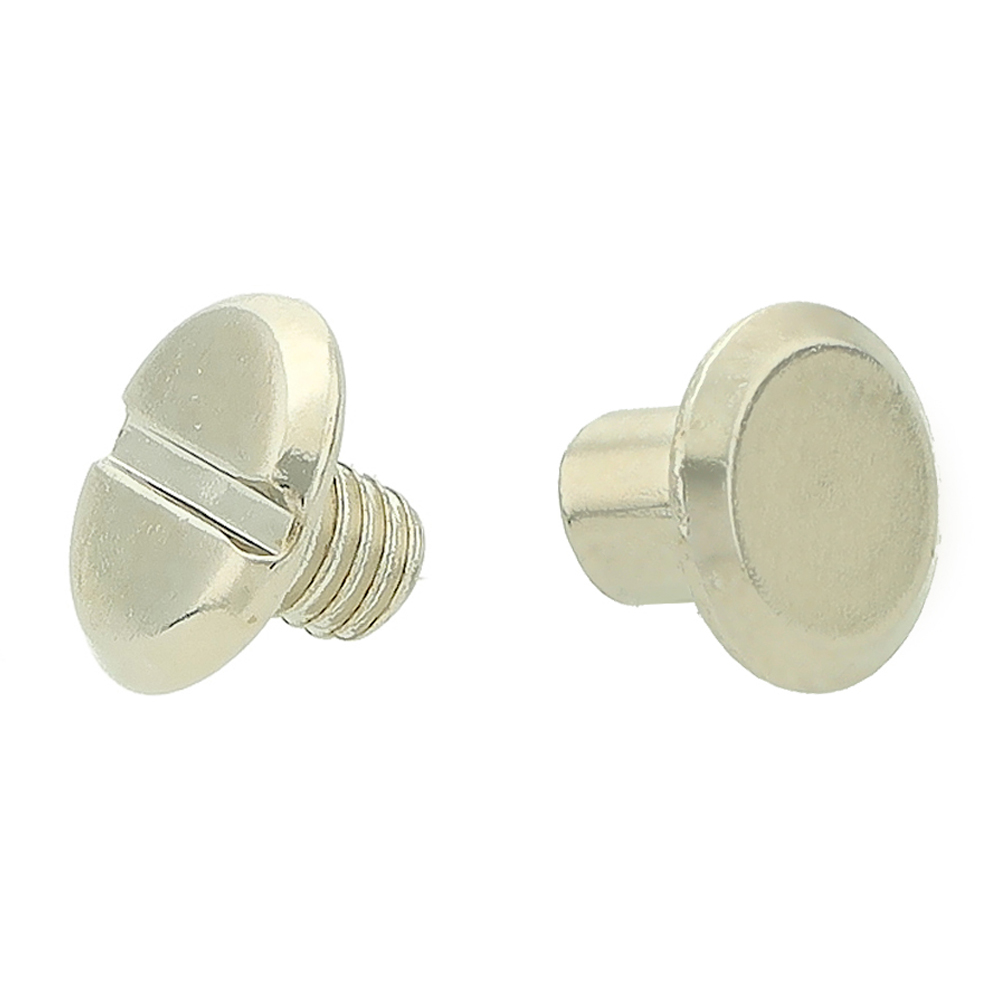
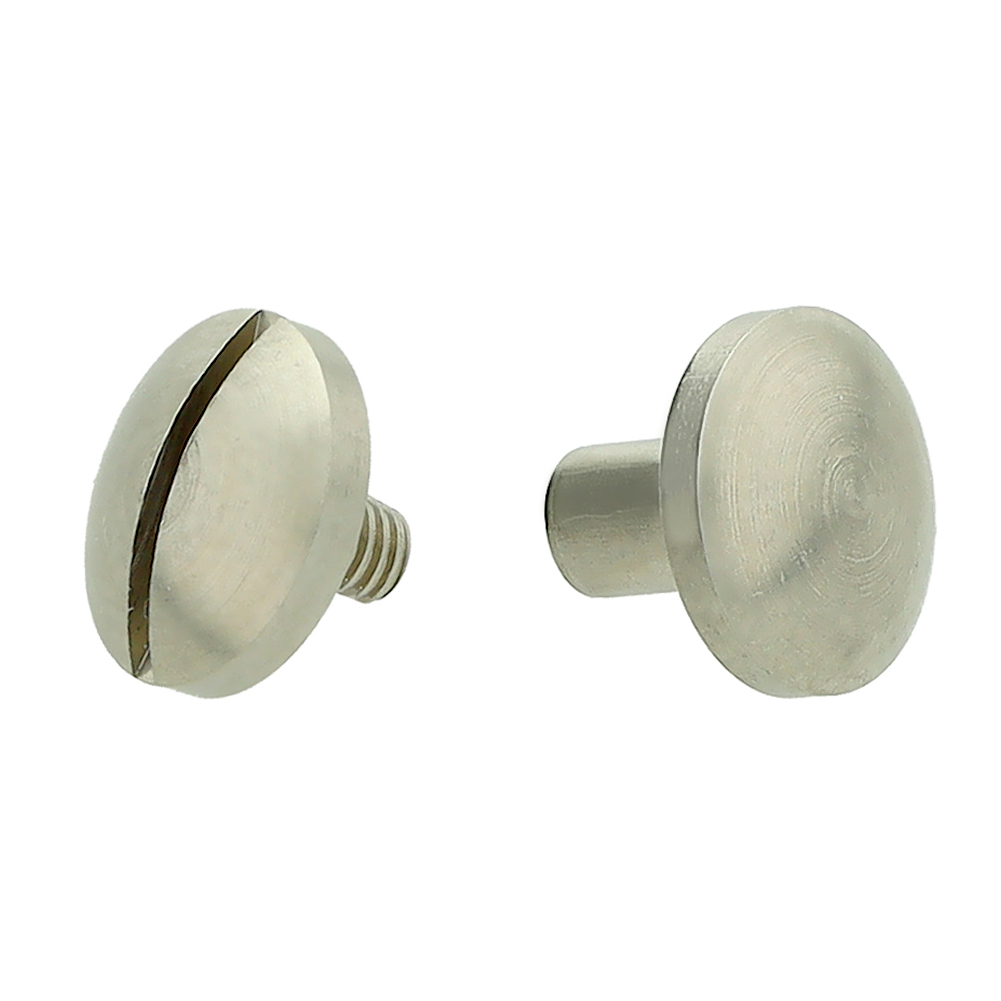
- Double-sided screw posts: Both the screw and the post feature a screwdriver slot. Ideal for connections that require extra tightening force and for applications where perfect symmetry matters.
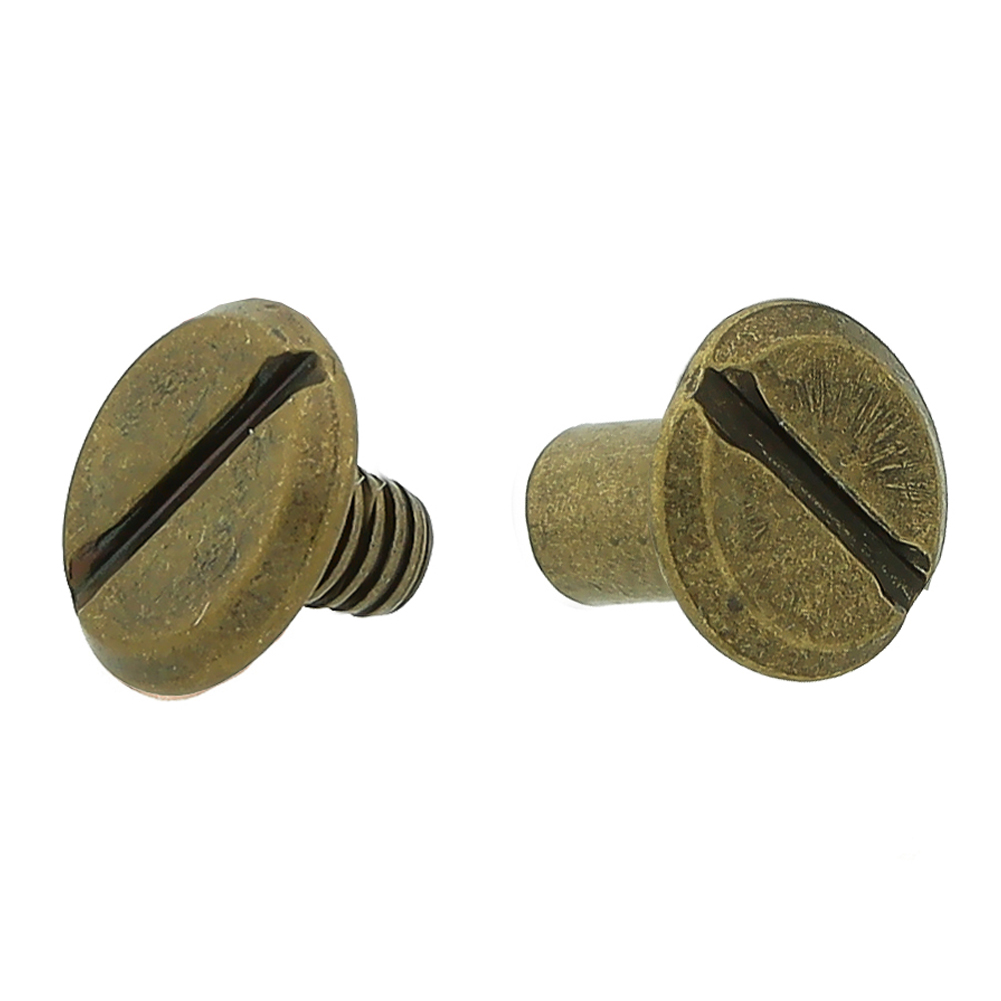
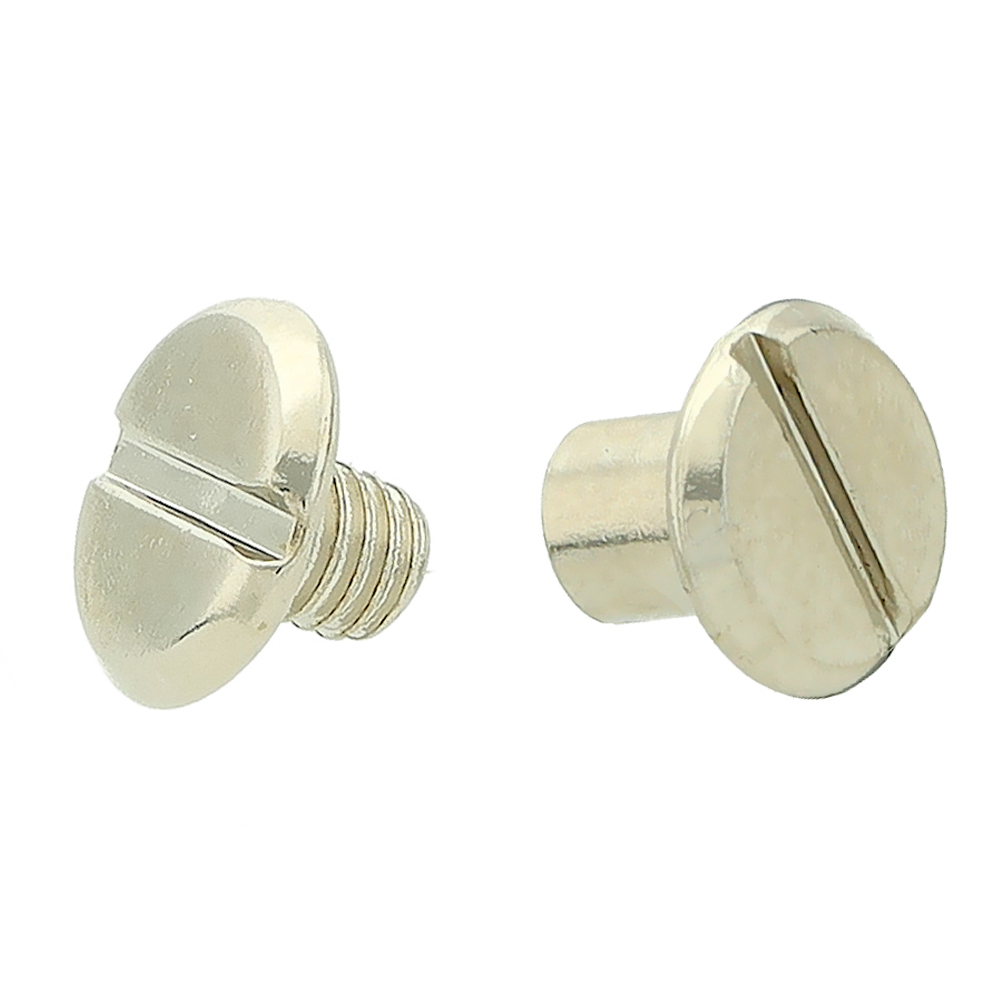
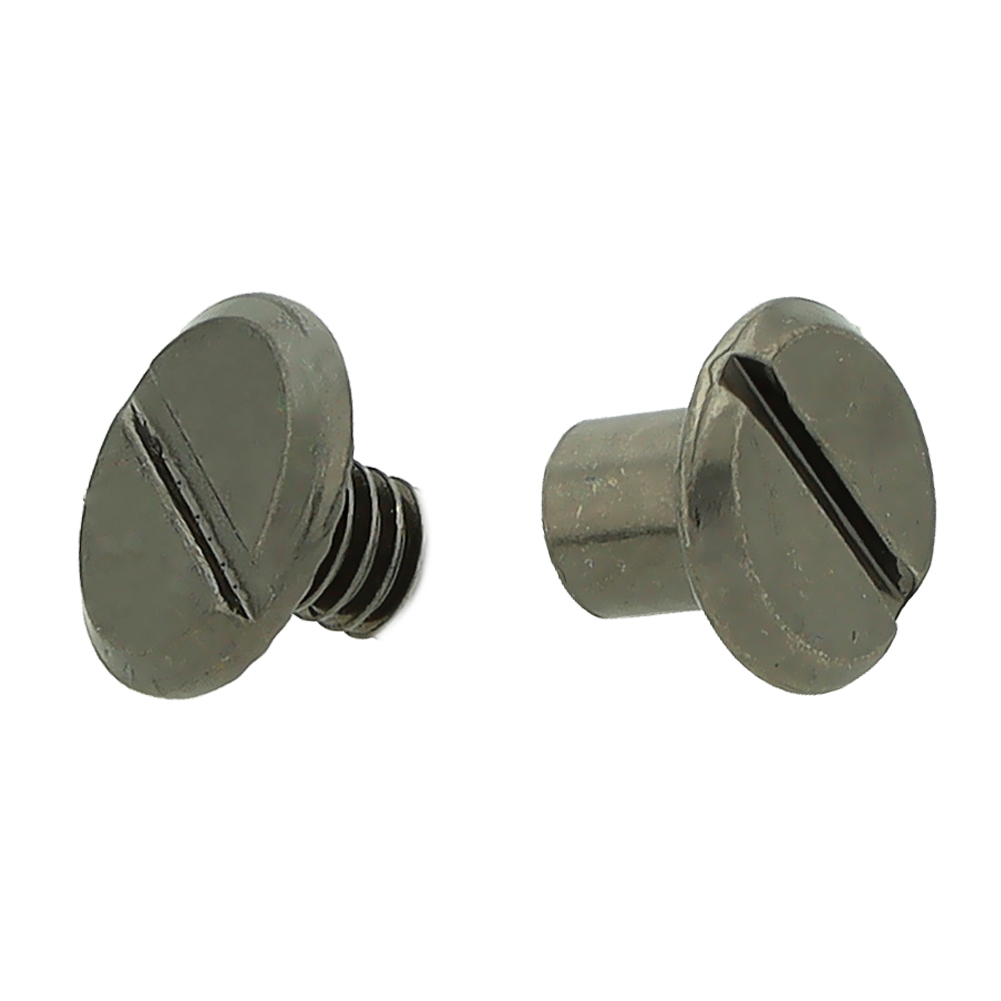
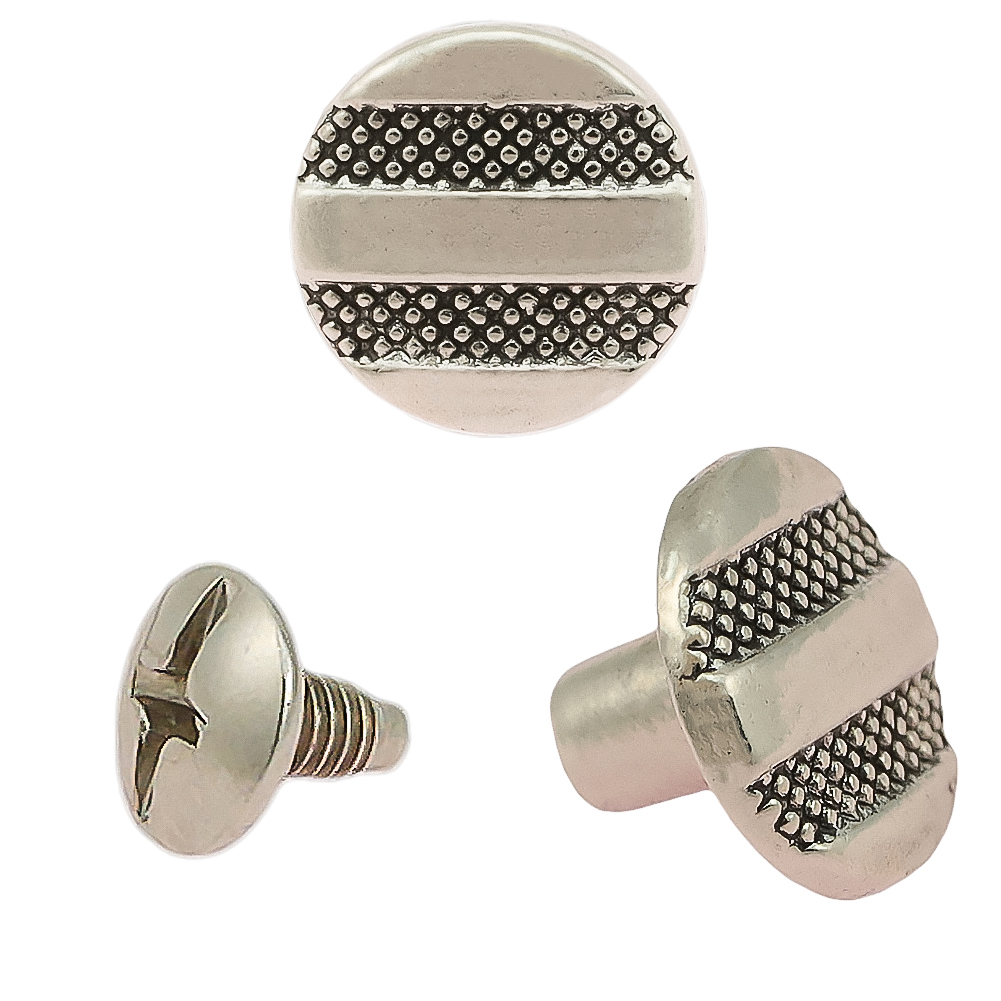
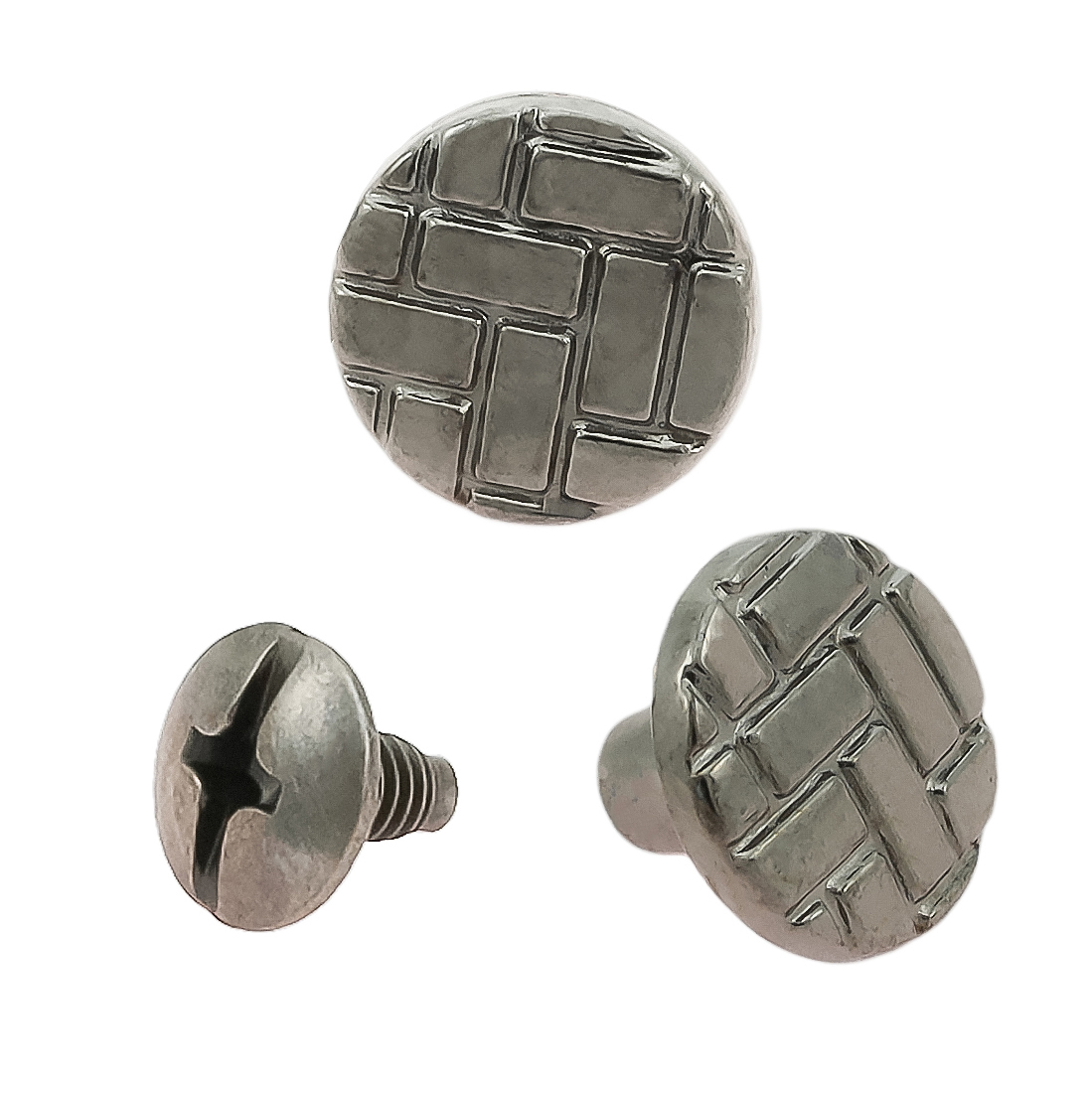
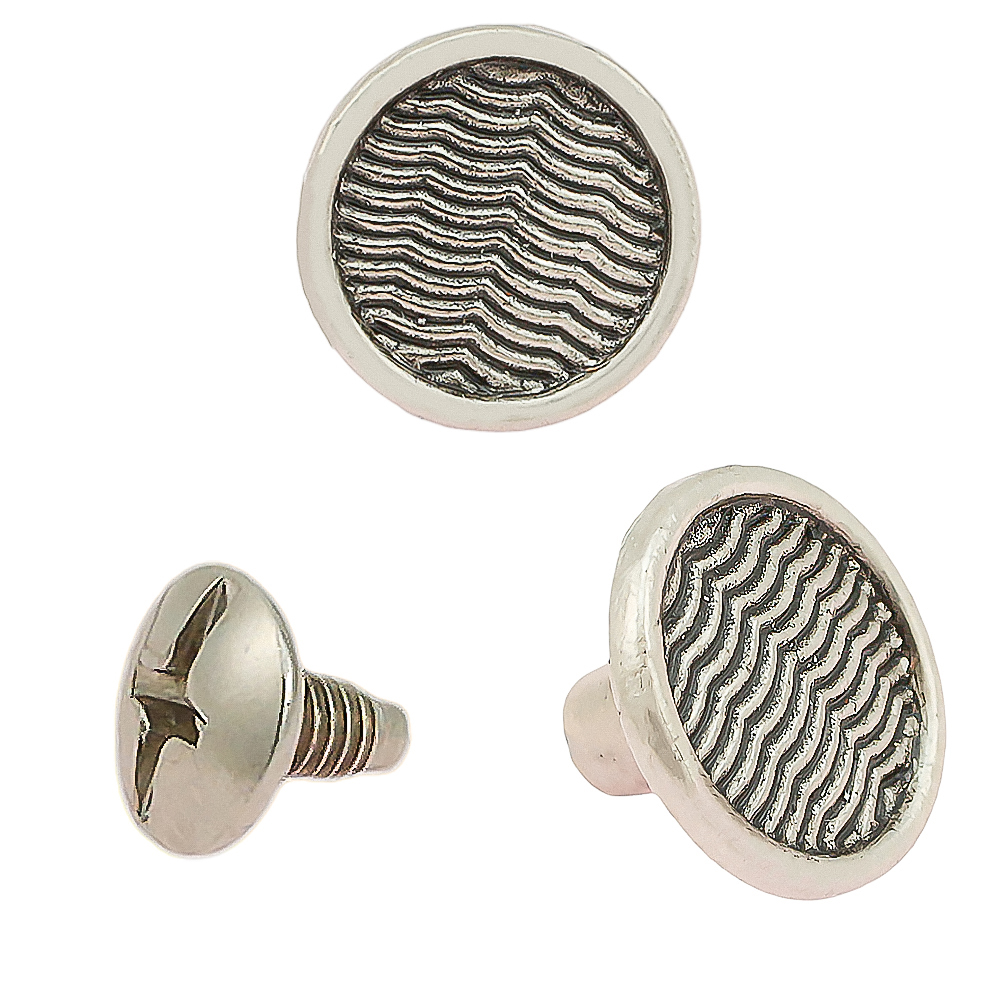
- Decorative screw posts: Available with a variety of surface patterns – grids, waves, checkerboards, and more. They act as decorative elements and stand out beautifully on wide collars, belts, or premium bags.
A Practical Note About Screw Slots
Most screw posts use a flat-head slot. While elegant in appearance, take care during installation – a flat-head screwdriver can slip more easily on smooth metal surfaces. Apply steady pressure to avoid scratching the screw head or the surrounding material.
Choosing the Right Material
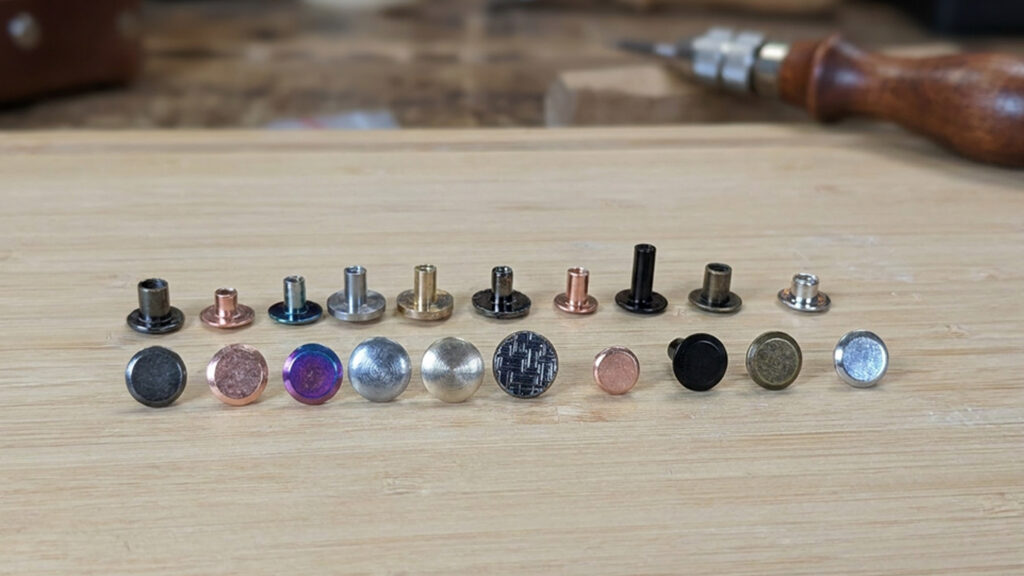
Material selection should never be based on price alone. Consider how and where the finished product will be used, then choose the appropriate screw post material accordingly.
| Material | Characteristics | Best for… |
| Brass | The most expensive option, but naturally corrosion-resistant. Develops a beautiful patina over time. | Luxury leather goods, premium collars. |
| Stainless Steel | Exceptional resistance to water and heavy loads. | Heavy-duty dog equipment, working harnesses. |
| Plated Steel | Affordable, strong, and available in a wide range of finishes. | General leathercraft, fashion accessories, interior products. |
| Zinc Alloy | Allows highly detailed decorative finishes and brushing effects. | Designer pieces and luxury accessories. |
Did You Know…?
Some of our premium screw posts undergo a demanding manual finishing process. Each piece must first be assembled, electroplated, hand-polished, and then disassembled again. The result is a unique appearance that simply cannot be achieved through mass production.
How to Choose the Right Size
This is where most mistakes happen. If you choose a screw post that is too long, the connection will remain loose and the layers won’t be held together properly. If it’s too short, the thread won’t engage at all. So how do you get it right?
Before adding screw posts to your cart, measure the total thickness of all materials at the fastening point. Also keep the characteristics of your materials in mind:
Natural leather: Leather is flexible and compresses when the screw is tightened. This creates a permanent indentation in the material.
Waterproof webbing: The thickness remains consistent and the material compresses very little, making measurements highly accurate.
The golden rule: Always choose a post length (dimension “B”) that is 1-1.5 mm shorter than the total measured material thickness. This ensures the heads press firmly against the material and prevents the connection from rotating.
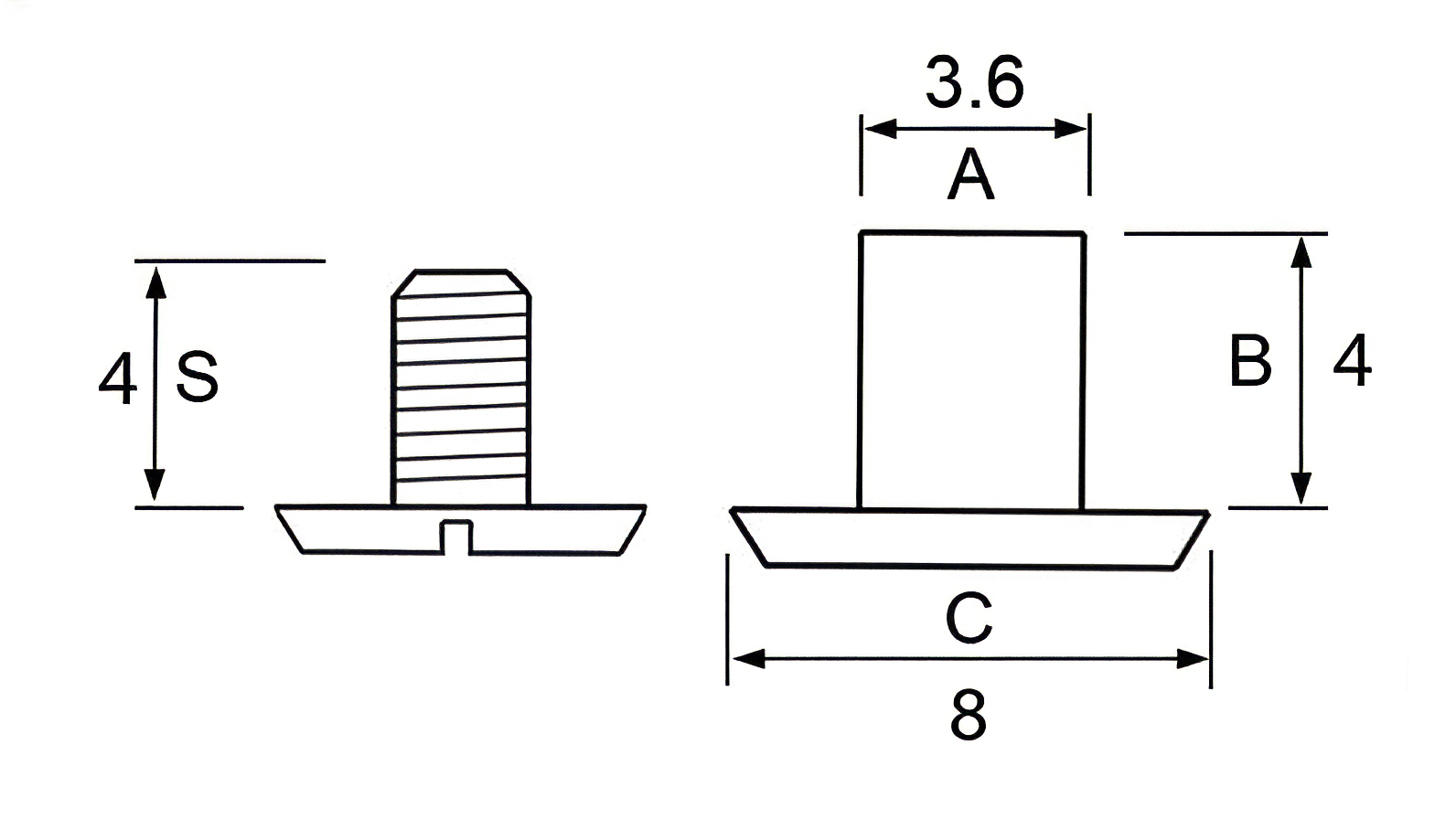
Example: You have two layers of material, each 2.5 mm thick. The total thickness is 5 mm. The ideal choice would be a screw post with a 4 mm post length (dimension “B”).
Tip: If you plan to replace the screw post in the future, choose the same head diameter (dimension “C”). It will fit perfectly into the original indentation and keep the product looking clean and professional.
Installation Tips from the Workshop
Installation is straightforward, but a few details determine whether the result looks professional and whether the screw stays tight over time.
- Punching the hole: The hole should match the post diameter exactly (dimension “A”). The post should fit snugly into the hole. If it drops in too easily, it may spin during tightening and prevent the thread from engaging properly.
- Choosing the right screwdriver: The screwdriver should fit the slot as closely as possible, both in width and thickness. Using a screwdriver that is too small increases the risk of slipping during tightening, which can scratch the finish of the screw or damage the surrounding material.
- Tighten with care: Tighten firmly, but don’t overtighten. With steel variants, excessive force can damage the thread.
Securing the Thread
During assembly, decide whether the connection should be permanent or whether future adjustments are expected:
- Permanent connection: If the screw post is never intended to be removed, apply a drop of Loctite threadlocker to the thread. It prevents unwanted loosening while still allowing removal with sufficient force if repairs become necessary.
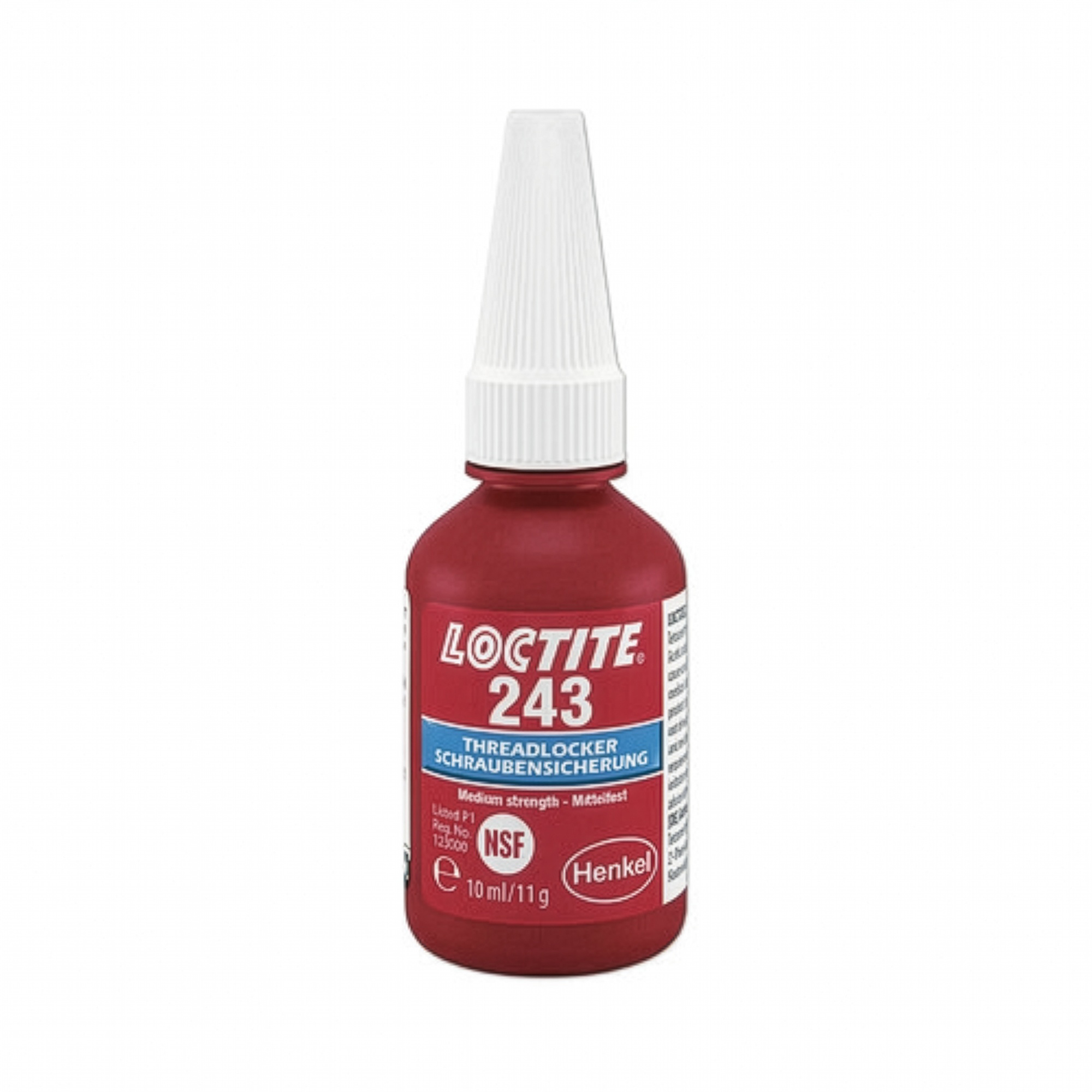
- Removable connection: If you plan to swap buckles or make future modifications, skip the adhesive. Simply tighten the screw firmly and you’ll be able to disassemble the connection whenever needed.
Conclusion
Chicago screws are a small detail that separates amateur work from professional craftsmanship. Not only do they look great, but they also give both you and your customers something valuable – the freedom to disassemble a product, replace a component, or update the design whenever necessary.
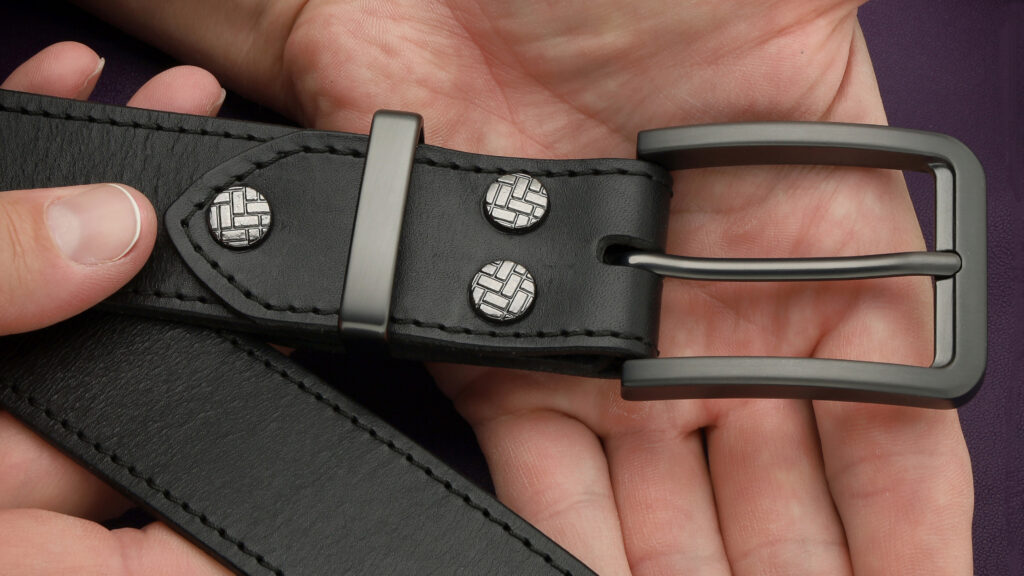
Whether you choose virtually indestructible stainless steel, traditional brass, or designer zinc alloy, accurate measurements and a drop of threadlocker will help you create a fastening that both you and your customers can rely on completely.
Pethardware.com
The only shop you’ll ever need for crafting collars and leashes.
Visit Pethardware.com