
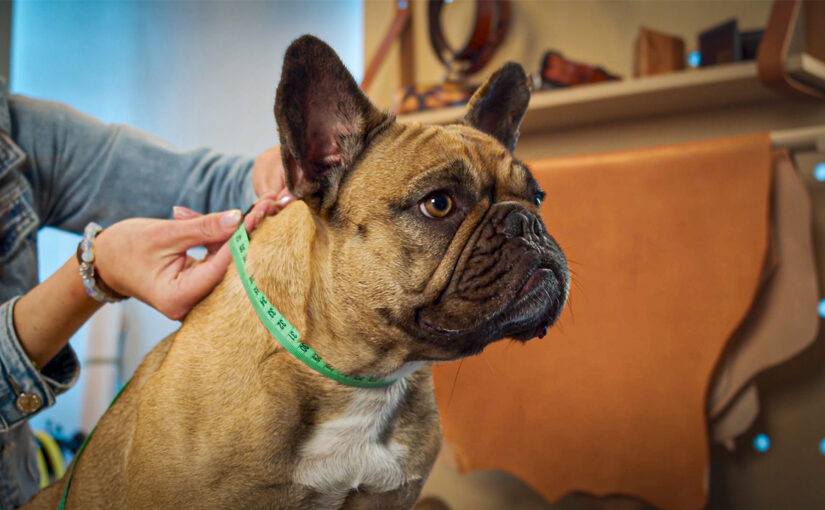
A collar made from waterproof webbing is strong, easy to clean, and even a beginner can make one without a dedicated workshop. We will guide you step by step from choosing the materials to the finished piece.
Continue reading How to Make a Waterproof Dog Collar: Step-by-Step GuideTag: Webbings
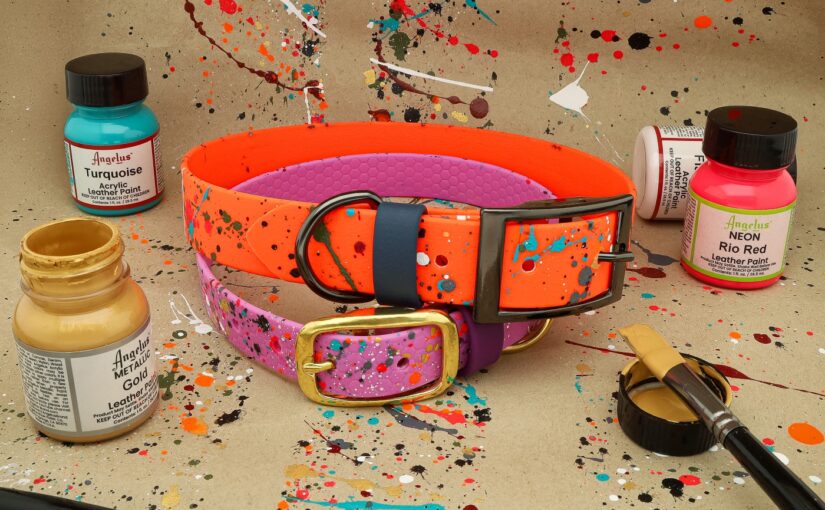
Angelus Paint on Waterproof Webbing: What Works and What Doesn’t
Does it stick or not? Stories about Angelus paint on waterproof webbing contradict each other. Some swear by the results, others report a disaster within a few days. We tested it in the workshop and in everyday use, and the answer is clear: it works, but it has its quirks. Here are a few findings that will save you webbing, time and frustration.
Continue reading Angelus Paint on Waterproof Webbing: What Works and What Doesn’t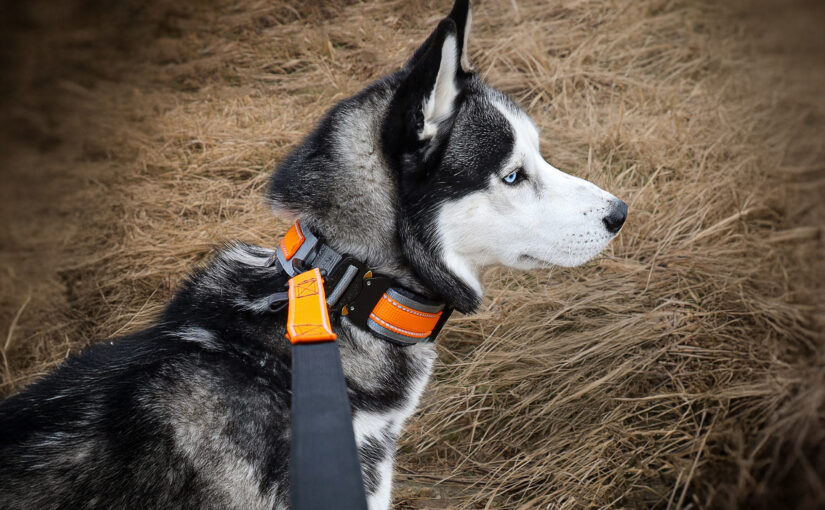
How to Sew Shock-Absorbing Webbing for a Bungee Leash
Shock-absorbing webbing, sometimes known as Ultraflex, looks like ordinary webbing at first glance. But it stretches from 100 cm to 140 cm and springs back; the force needed for that is 6 kg for the 15 mm width, 8 kg for 20 mm and 12 kg for 25 mm. That stretch absorbs the jolt, softens a sudden pull and is easier on both the handler’s hands and the dog. We sell it in widths of 15, 20 and 25 mm, with a thickness of 3.5 mm. It is a material for bungee leashes, canicross, running with your dog and everyday walks with larger dogs.
Continue reading How to Sew Shock-Absorbing Webbing for a Bungee Leash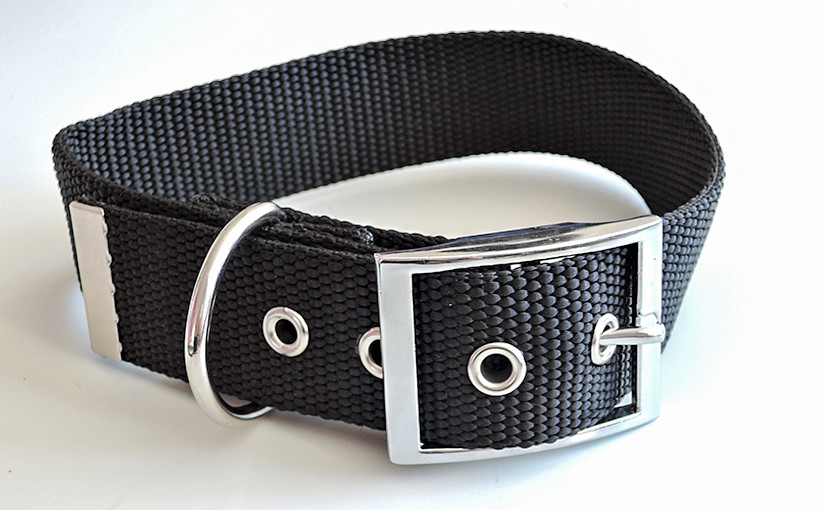
How to Make a Dog Collar from Webbing Without Sewing
For saddlery products such as harnesses, leashes, collars or horse halters, you can use polypropylene webbing instead of leather. In this photo guide, we show you how to make a dog collar without sewing, using polypropylene webbing, rivets and a soldering iron with a pointed tip.
Continue reading How to Make a Dog Collar from Webbing Without Sewing