
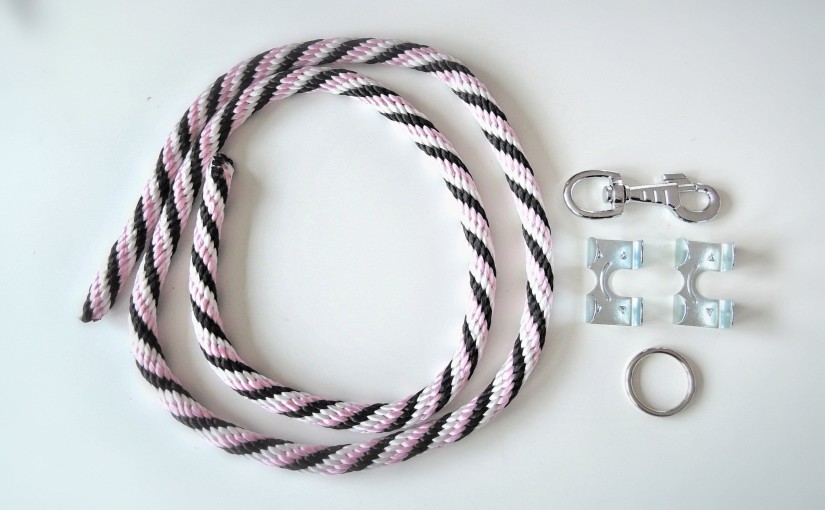
In today’s photo-guide you will use all the skills that you have learned from our previous articles on polypropylene ropes. We will talk about how to easily, quickly and inexpensively make a rope leash for your four-legged friend.
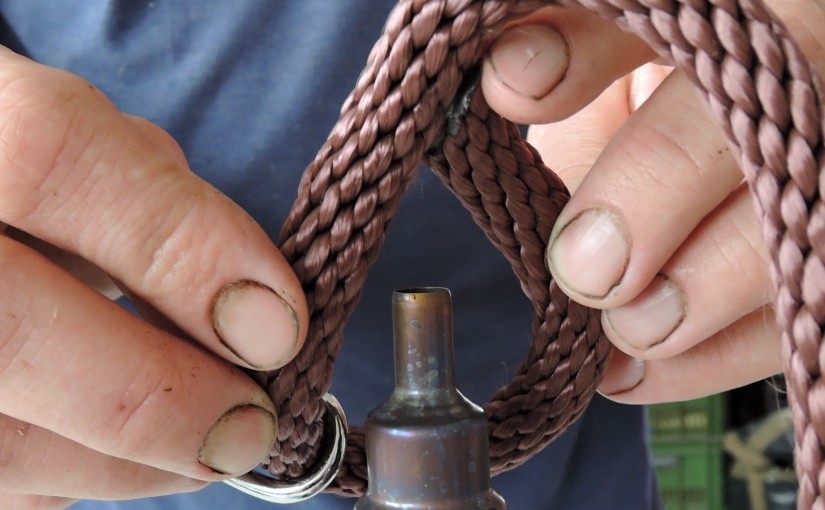
Welding of polypropylene ropes by heat gun
We have already talked about how to cut polypropylene ropes and solder them. Another device by which ropes can be easily welded is heat gun. Master this method for welding of polypropylene ropes.
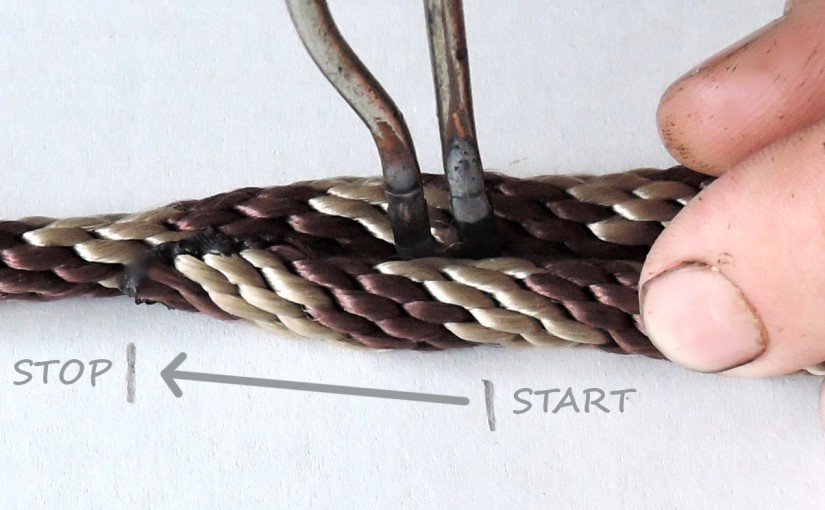
Welding of polypropylene ropes using solder
The welding of polypropylene ropes using a solder is fast, accurate and not demanding regarding tools equipment. The solder also allows us to make a spot, a short and long weld, depending on what size connection we need. In today’s manual, you will learn how to do it.
Continue reading Welding of polypropylene ropes using solder
How to cut polypropylene ropes
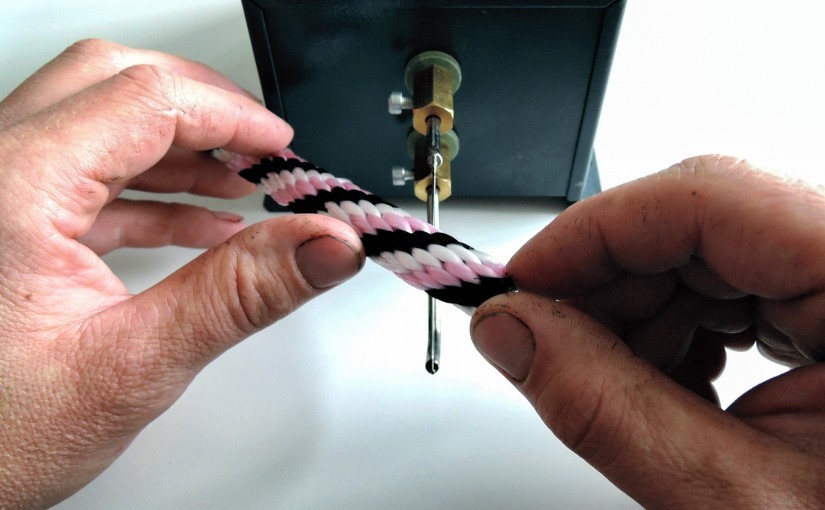
For the best results when cutting polypropylene ropes and weave webbings, use only a webbing cutter. It works based on melt-cutting at the optimum temperatures of 170-180 °C. Today, we will show you how to work with it.
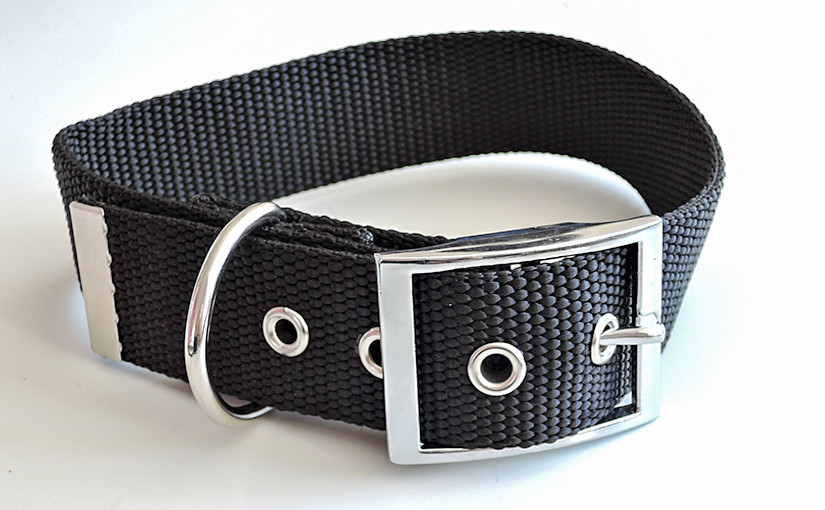
A guide for making dog collars from polypropylene webbing
In saddlery products, such as harnesses, leashes, collars or halters for horses, leather can be replaced with polypropylene webbing. In today’s photo guide, we have prepared for you a guide on how to make a collar without sewing using polypropylene webbing, rivets and a solder with a tip.
Continue reading A guide for making dog collars from polypropylene webbing
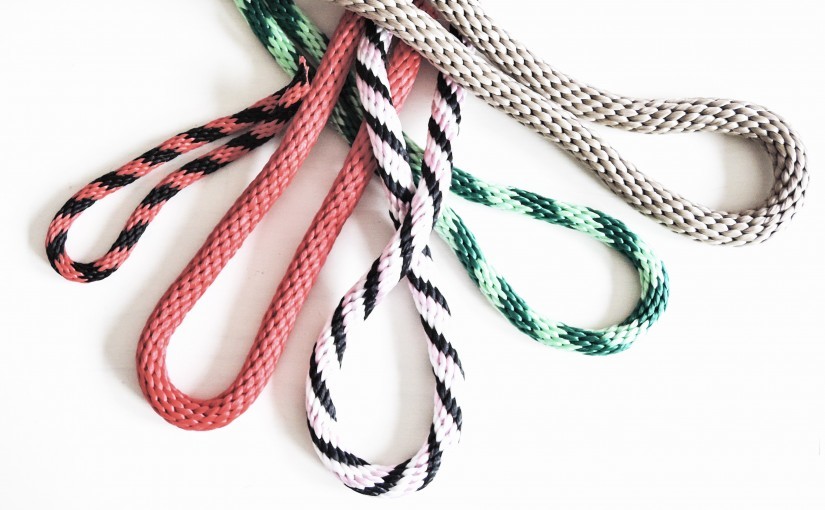
Polypropylene braided rope
Polypropylene ropes are popular for their versatility, cost, strength and color. The ropes are widely used in cynology, water sports (for their ability to float on the water), gardens, boating and yachting. Climbing and safety nets are made from these ropes.
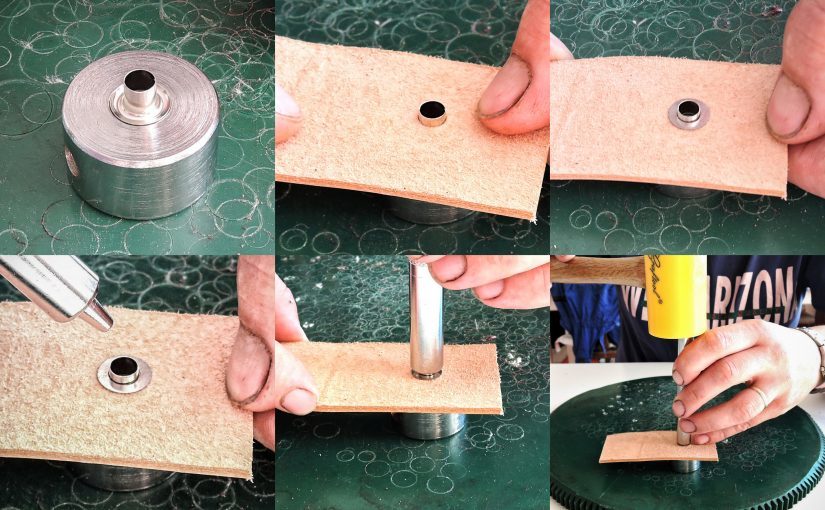
How to rivet eyelets (Photo Guide)
Eyelets are hollow cylinders with one side ending with a cuff. They are used to reinforce and protect the opening of the leather or fabric. Eyelets can be applied manually or using a hand press. In our photo manual, we will show you both ways.
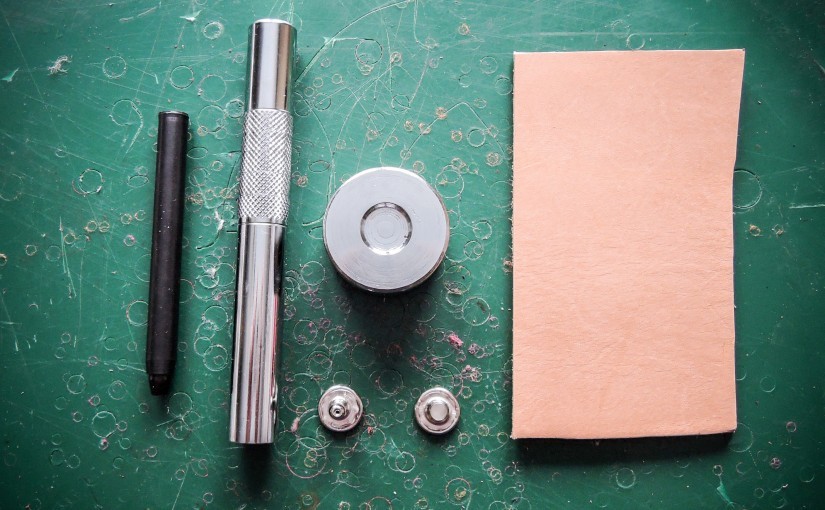
How to manual riveting
For manual riveting you need a rivet, a punch or punching pliers, rubber pad, riveting and small hammer.
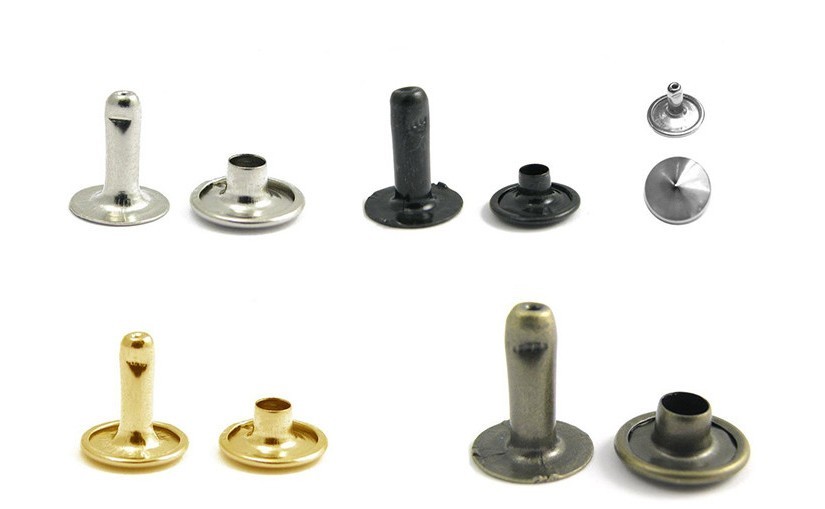
Saddlery rivets (2nd part)
In the last part of our series on saddlery rivets you could learn the function of saddlery rivets and according to what we divide them. In today’s part we focus on the shapes of saddlery rivets, their finish and proper use in production.
Riveting guide: From rivet selection to perfect joints
Riveting is the joining of materials, whose aim is the quick formation of a firm, elastic and undetachable joint besides some exceptions. This is performed with the aid of metal saddlery rivets. An undetachable joint means that the dismantling of the rivet is only possible through the depreciation of the links (by breaking the head). Riveting is a non-demanding technological operation that needs more work tools. The quality rendering of the riveted links and quality fancy goods, point to the skill and professionalism of the manufacturer.
Continue reading Riveting guide: From rivet selection to perfect joints